


In his third year as a resident physician, American doctor Will chose to end his life by suicide at the age of 33.
While the exact reasons for his suicide are unclear, Will's family recently told The Washington Post that the pressures of being a resident were too great, preventing Will from receiving necessary psychological treatment. Will suffered from depression and Attention Deficit Hyperactivity Disorder (ADHD), and after starting his hospital internship, he was worried about how it would affect his work, so he did not seek medical help.
After Will's passing, his colleagues observed a moment of silence. On the signs they held high, they wrote: "Reasonable wages can save lives," "Too much work, too little pay," "I'm tired"...
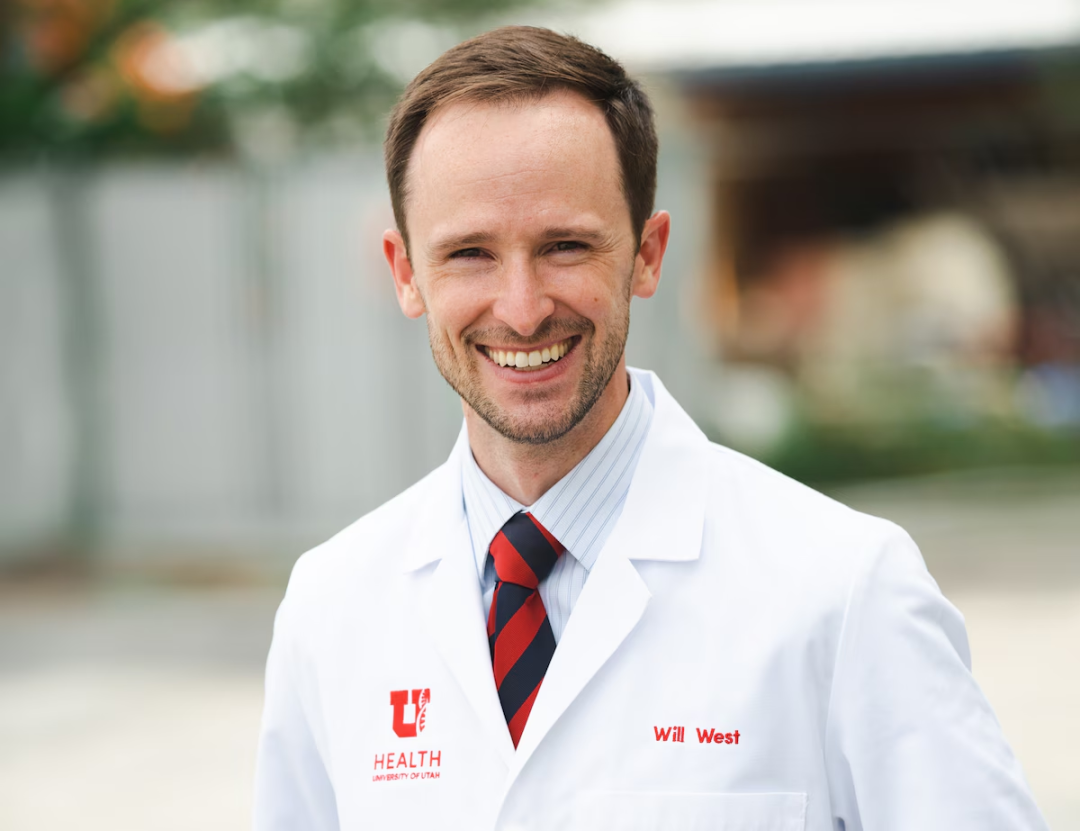
Dr. Will / Image source: The Washington Post
Why suicide?
Earlier this year, on a late night, his brother received a call from Will, who said he was facing an unsolvable problem: he had not received the proper training to be a doctor, and after long shifts, he did not have enough time to sleep or recover. Will felt that happiness would forever be out of reach.
At the time of the call, Will was in his third year of training as an ophthalmologist at the George Washington University School of Medicine and Health Sciences. Will's brother, also a medical student, had intended to visit his brother, but in two subsequent calls, he felt that Will seemed to be in a better mood, so he didn't pay much attention.

Will (right) with his brother in a photo taken before his passing / Image source: The Washington Post
However, not long after, he received the news of his brother's death. Although there is no direct evidence linking Will's suicide to his work at the hospital, according to The Washington Post, Will left two suicide notes, and in one of the letters that has been made public, he described himself as "exhausted" and warned that resident physicians are facing tremendous pressure.
The letter read: "Now, resident physicians are engaged in a real 'battle of life and death'—a battle that takes place both inside and outside the clinic and hospital. It usually causes some symptoms that look a lot like laziness, lack of motivation, or squandering intelligence, all of which are unforgivable sins in our profession."
Reports indicate that the conditions for American resident physician training are extremely harsh, typically requiring 80 hours of work per week, with relatively low salaries, causing significant harm to students' mental health. Studies show that the average annual income for American resident physicians is $70,000, which is not considered high locally.
In his letter, Will reminded that some attending physicians do not see the difficulties faced by resident physicians and do not understand the environment they are in, "I hope you can strive to understand, support, and guide resident physicians, rather than just assessing their potential as doctors and pushing them to do their utmost."
Based on this information, the family believes that Will's suicide is related to the pressures of being a resident physician. His brother introduced to the media that Will had suffered from depression and ADHD for a long time, had received mental health treatment at another medical school, but his mental condition severely deteriorated while studying at George Washington University, leading to a breakup with his girlfriend and falling into self-doubt.
Family members recalled that Will asked himself: Will people think I'm lazy? Can I compete for the job I want? If I get hired, can I handle it? Can I treat patients independently and safely? In his brother's view, Will never sought medical help because he was worried about ruining his career prospects.
In fact, from childhood to adulthood, many people thought of Will as a person with a "will of steel." He was full of love, had firm beliefs, and often was not afraid of challenges.
In ninth grade, Will was knocked down and injured in a 5-kilometer running race, but he persisted and finished the race; he had participated in rock climbing and all-night relay races, and had traveled to Italy in pursuit of faith; last December, Will used his medical knowledge to help an injured couple by the road; he spent most of his time in medical school living in an ambulance rather than spending money on rent...

In 2009, Will (second from left in the front row) went on a trip with his family / Image source: The Washington Post
This personality was even reflected in his suicide note, "I'm sorry to those who have been adversely affected by my (suicide) act. I'm really exhausted..." Before committing suicide, he specifically took a sick day and withdrew all the money from his bank account to leave to his brother.
At the same time, in his final words, Will expressed his hope to protect other medical students and resident physicians facing similar challenges. Currently, his family is helping him fulfill this wish. The family wrote in the obituary: "We hope to make systemic changes to better support aspiring medical professionals, and we do not want other families to experience such a tragedy..."
Therefore, Will's family asks that instead of sending flowers, donations can be made to a foundation named after Dr. Lorna Breen.
Dr. Breen was the head of the emergency department in New York. In April 2020, during the COVID-19 pandemic, facing a continuous stream of patients and a shortage of medical staff, she chose suicide due to immense mental pressure. To commemorate her, the Lorna Breen Physician Hero Foundation was established to provide support for the mental and physical health of medical workers.
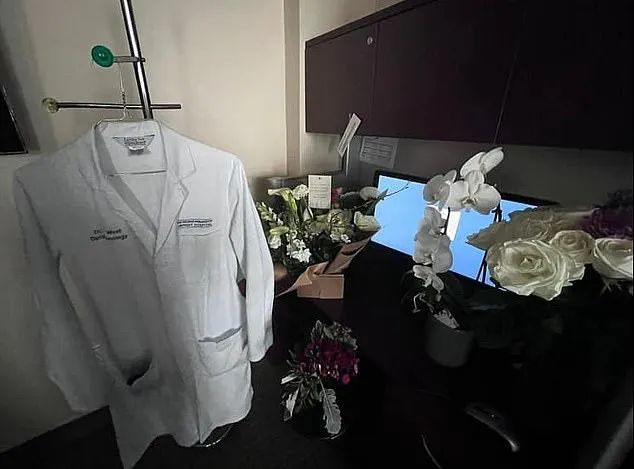
After Will's passing, his desk is covered with flowers / Image source: Daily Mail
Colleagues Speak Out: Fair Treatment and Necessary Psychological Treatment
After Will's death, about 75 of his former colleagues, resident physicians, gathered outside the George Washington University School of Medicine. Many, dressed in surgical gowns and lab coats, joined the crowd after work to pay their respects to Will with bowed heads.
At the same time, the resident physicians are calling for the U.S. authorities to provide them with mental health allowances, as well as more reasonable treatment and working hours. The Washington Post interviewed several resident physicians on the scene. One of them said that she works 80 hours a week, with hardly any time for herself, and her mental health has been severely damaged.
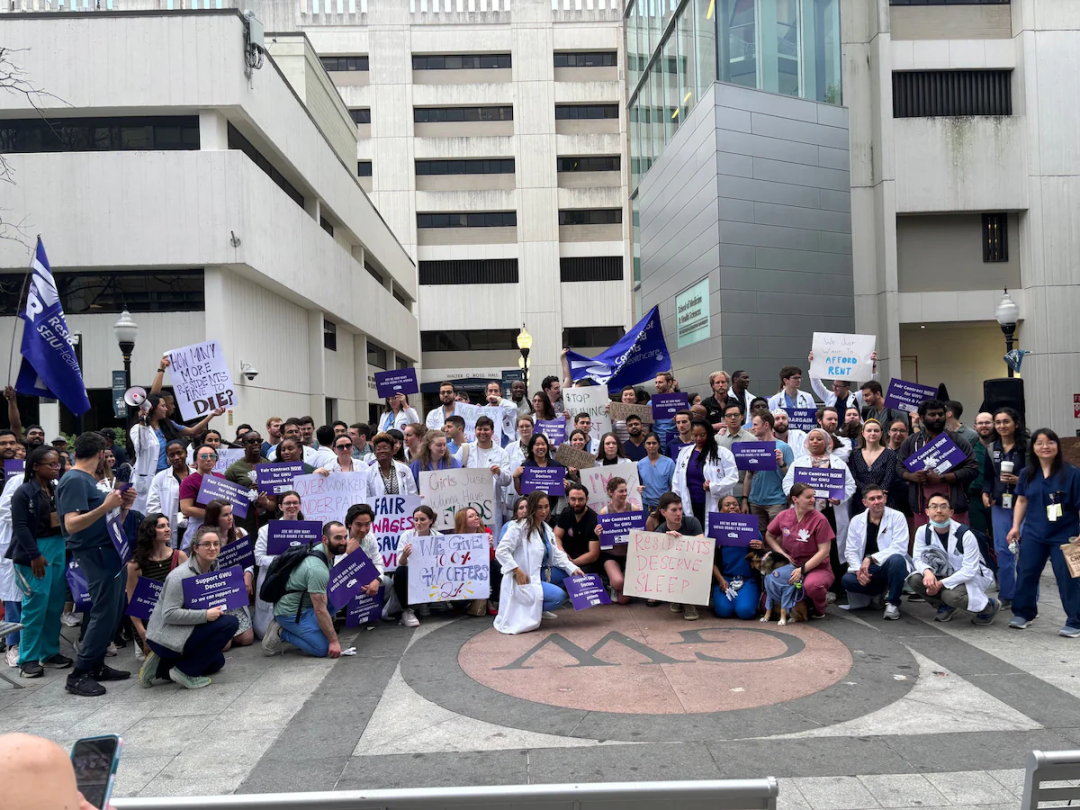
About 75 resident physicians stand together to speak out for Will / Image source: The Washington Post
According to the resident physician herself, every day on her way to work, she would call her mother in tears, and on the way home from the hospital the next day, she would also cry, only to feel relieved after taking her antidepressant medication.
Several resident physicians described feeling trapped in an environment full of stress, where feeling a bit depressed seems like the norm, "Doctors become perfunctory, lose their hobbies, count the hours until they can go home from work, and then just stay alone."
In September of this year, the renowned medical media outlet Medscape released the latest report on the salaries of American resident physicians. Although the income of American resident physicians is on the rise, their work stress is also increasing. 90% of resident physicians believe that considering the job content, stress, and hours, their income is far from enough.
Although the Accreditation Council for Graduate Medical Education (ACGME) in the United States stipulated as early as 2011 that resident physicians should work no more than 80 hours per week, an article in Health Policy in 2023 pointed out that on the surface, resident physicians work about 60-80 hours per week, but they may have up to 10 consecutive night shifts per month, and many people are frequently called back to the hospital during their rest time.
Will's colleagues remember that not long before his death, Will expressed anger at the "call-in based on seniority" system, believing it to be unfair. Colleagues said that they were also disappointed and were trying to get through this period, but they did not expect that Will would not make it.
In fact, in addition to the high work stress, another widespread phenomenon among doctors at all levels is that many doctors are unwilling to actively seek help from the outside world when they have mental health issues. For example, resident physicians worry that if they reveal their true thoughts to others, they will face serious consequences, after all, only by successfully completing their internships can they become doctors.
The Medscape report on physician burnout and depression released in January this year showed that there are many reasons why doctors hide their depression: 44% of doctors worry that "people might question my ability to be a doctor," 42% of doctors fear being discovered to have depression by medical committees or employers; and 21% of doctors think that depression is a "weakness."
Will also expressed similar feelings in his suicide note. In the eyes of his family, if he could receive regular mental health services, the tragedy might have been avoided. Some experts also said to The Washington Post that Will's experience is not an isolated case, and the mental health of doctors should be a priority and action should be taken as soon as possible.
"At George Washington University, there are others who are really in danger," Will reminded in his last words. At the end of this letter, he still did not forget to express his gratitude to his friends and mentors: Thank you very much for always being with me, and I wish you all the best.
Reference:
1.https://www.washingtonpost.com/dc-md-va/2024/10/03/will-west-doctor-gwu-suicide-note-mental-health/
2.https://www.dailymail.co.uk/news/article-13927625/doctor-west-final-words-suicide-mental-health-warning.html
3.https://drlornabreen.org/about-lorna/
4.https://www.medscape.com/slideshow/2024-lifestyle-burnout-6016865
5.Residents' Annual Salary Reaches 490,000 with a 4% Annual Increase, So Why Are They Still Dissatisfied? From MedJ

