


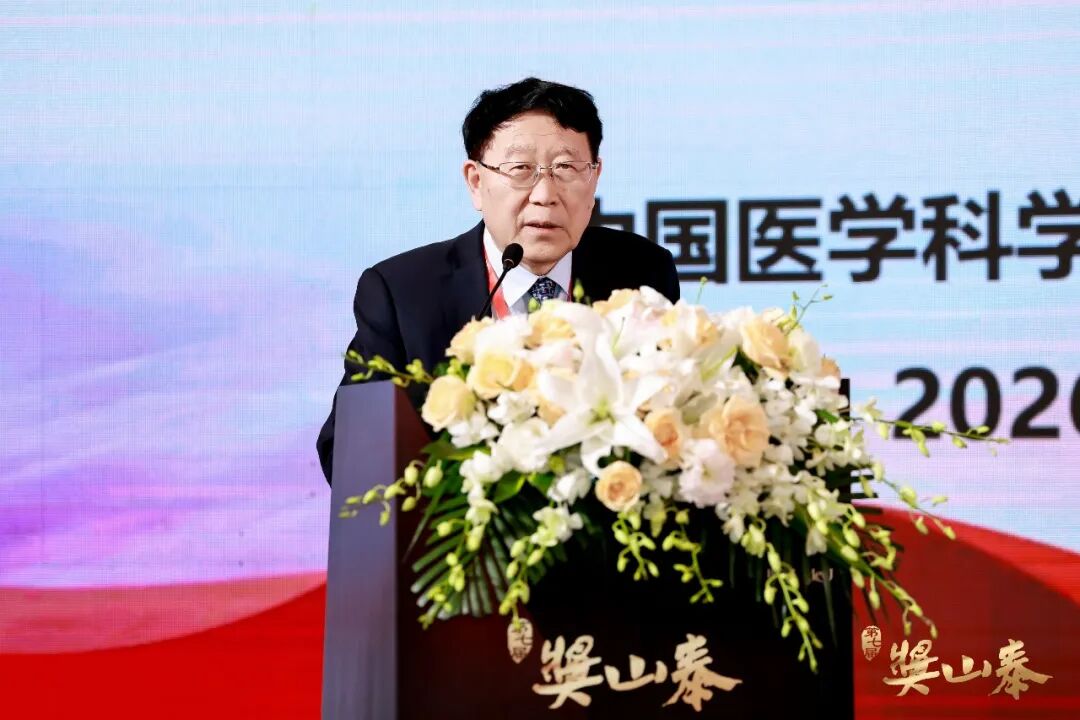
On 9 August 2026, the 2026 Value-Based Healthcare Summit & 7th Taishan Award Ceremony convened a high-profile roster of Chinese medical experts. Attendees included Academician Junbo Ge of the Chinese Academy of Sciences, who serves as Director of Cardiology at Zhongshan Hospital, Fudan University; Academician Kaixian Chen of the Chinese Academy of Sciences and the Shanghai Institute of Materia Medica; Ge Yanfeng, researcher at the Development Research Center of the State Council; Minghui Ren, Dean of the Peking University Global Health Research Institute; and Jinglei Wu, President of the Shanghai Medical Association.
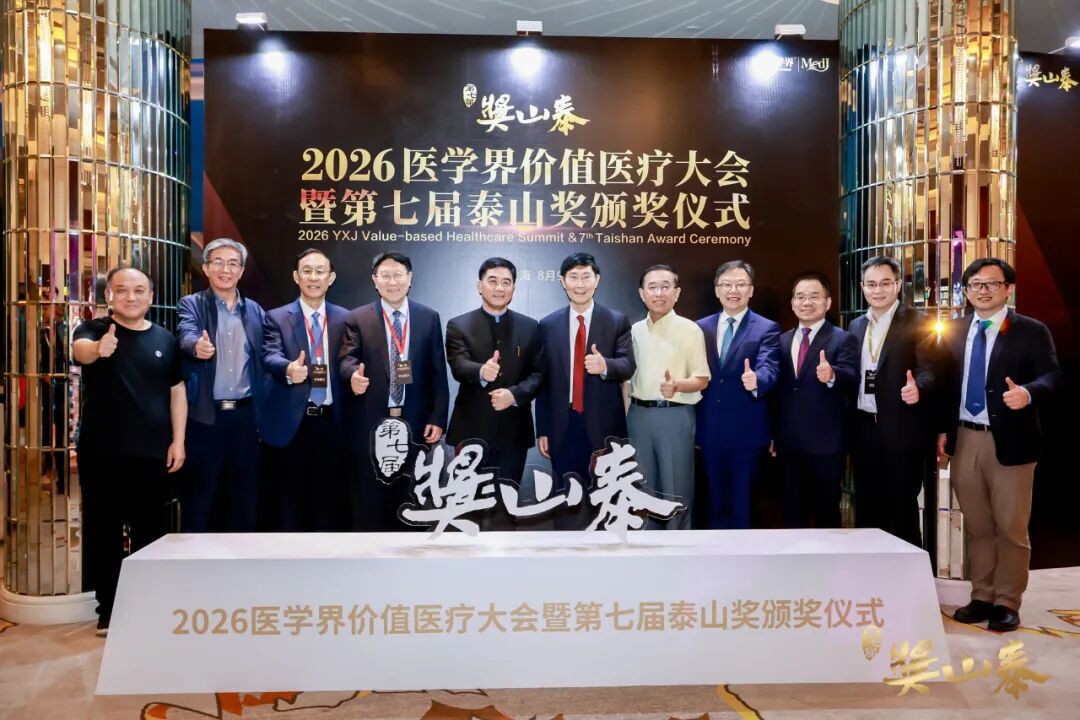
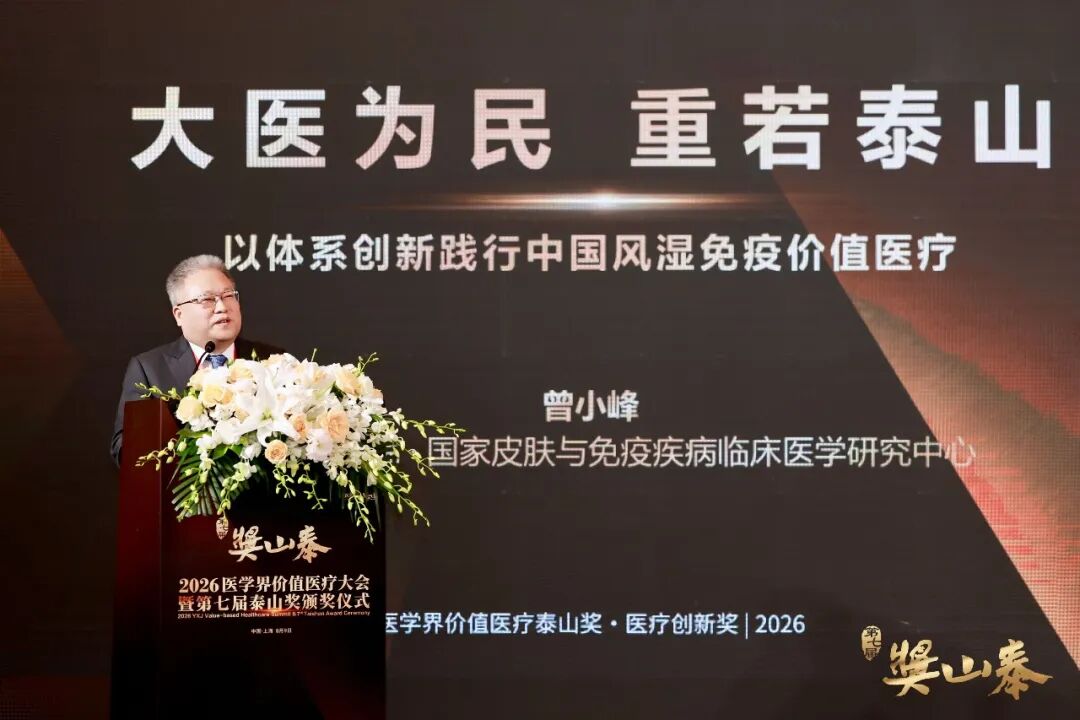
Award recipients present included Prof. Yingxian Sun, Director of Cardiology at the First Hospital of China Medical University, who received the 4th Taishan Award Clinical Medicine Research Award; Prof. Youlin Qiao, Distinguished Professor at the Chinese Academy of Medical Sciences / Peking Union Medical College, and 7th Taishan Award Public Service Award recipient; Prof. Xiaofeng Zeng, Director of the National Clinical Medical Research Center for Skin and Immune Diseases, and 7th Taishan Award Medical Innovation Award recipient; and the 7th “Qinzi” Youth Clinical Research Award recipients Prof.Ben Lv, President of Second Xiangya Hospital of Central South University, and Prof. Yilai Shu, Vice President of the Eye & ENT Hospital of Fudan University. Industry representatives included Dr. Haidong Chi, Eli Lilly Global Vice President and Chief Medical Officer of Lilly China Drug Development and Medical Affairs Center, and Sven Koster, Senior Vice President and Head of Diagnostic Imaging at Siemens Healthineers Greater China.
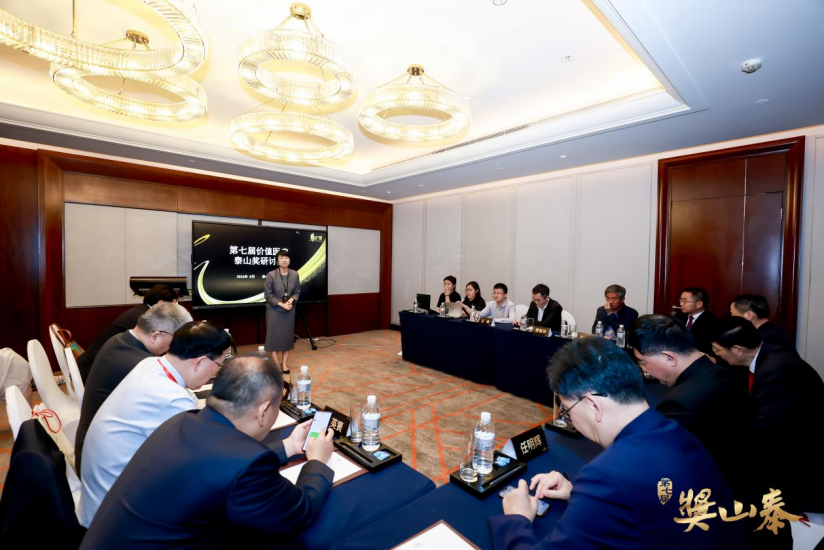
Opening the ceremony, Jie Chen, Secretary-General of the Taishan Award Organizing Committee, thanked the attendees for braving typhoon weather: “Even a typhoon cannot dampen everyone’s enthusiasm. That tells us the Taishan Award carries weight in your hearts, which deeply encourages and moves the organizing committee.” She noted that Prof.Ben Lv, originally scheduled to fly in from Central South University Xiangya Second Hospital, had to reroute through Huai’an after his flight was cancelled, and several Beijing-based experts arrived a day early to ensure they could attend on time.
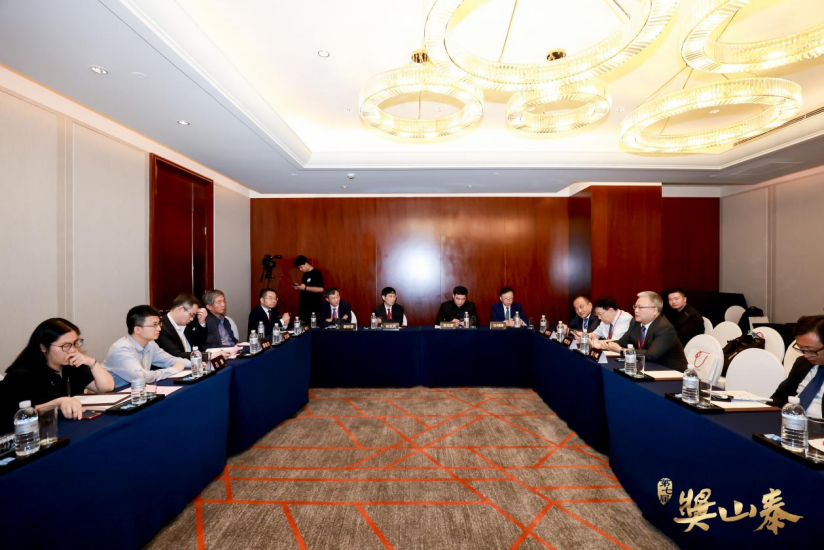
Evaluation Mechanism Upgrade: AI-Assisted Quantitation, Expert Qualitative Review, and Peer Review
The Taishan Award has been held seven times since its founding in 2019, honoring a cumulative 55 recipients across seven categories: Clinical Medicine Research, Basic Medicine Research, Public Service, Medical Innovation, Drug Breakthrough, Medical Device Breakthrough, and the “Qinzi” Youth Clinical Research Award. This edition introduced three evaluation upgrades:
1. AI-assisted nomination: quantitative data combined with expert qualitative review, cross-validated to form the preliminary shortlist.
2. Peer review added to selected awards: the Clinical Medicine Research Award and the Medical Innovation Award invited experts from Beijing, Shanghai, and Guangzhou to conduct blinded peer review, supported by written questions and interviews, with records retained for audit.
3. Four-tier review system: “AI screening + expert nomination → Committee preliminary review (with peer review) → Expert review group → Management Committee final review,” with the final slate limited to one main-award candidate per category and one to three sub-award candidates.
According to Jie Chen, the Taishan Award’s evaluation philosophy is shifting from “voting to select” toward “professional deliberation plus accountability endorsement.”
No Application, No Recommendation, Blind Selection: Strong Endorsement from Experts
Attendees repeatedly endorsed the “no application, no recommendation, expert nomination”blind-selection model, calling it the Taishan Award’s core differentiator from other domestic awards. As the speakers framed it, recipients are recognized because their work deserves recognition, not because they applied.
Academician Junbo Ge of the Chinese Academy of Sciences, Director of Cardiology at Zhongshan Hospital, Fudan University, gave the model his full endorsement: “No application, no recommendation, combined with rigorous peer review—this is how quality is safeguarded. This model must continue.”
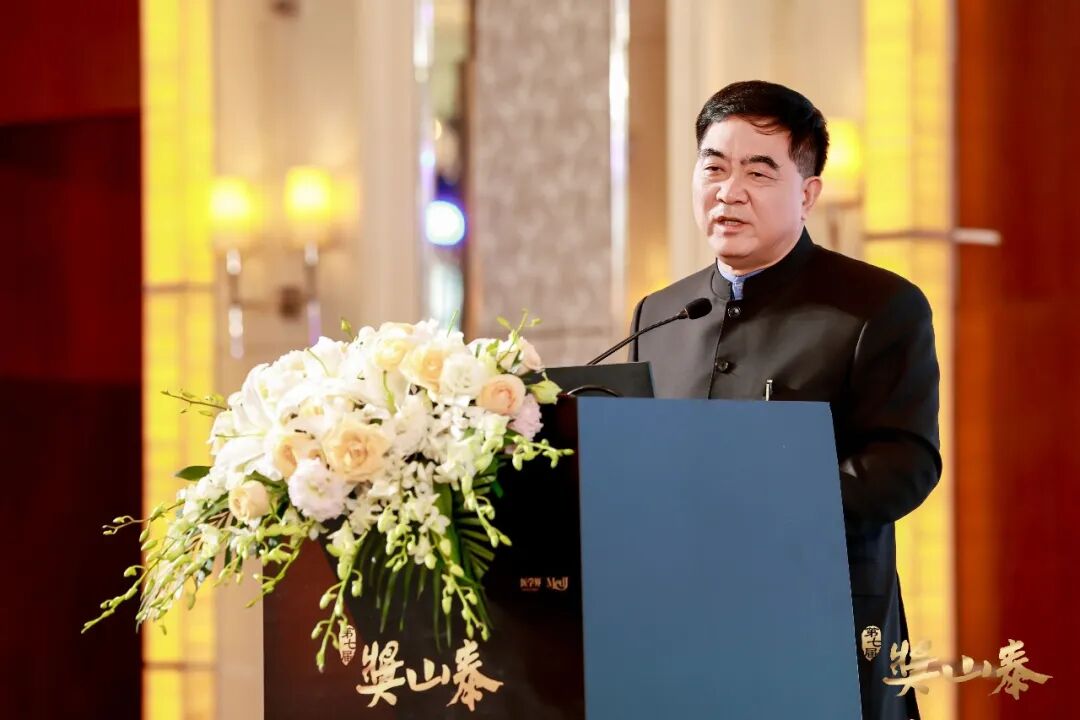
Prof. Xiaofeng Zeng, Director of the National Clinical Medical Research Center for Skin and Immune Diseases and 7th Taishan Award Medical Innovation Award recipient, drew on his 18 years of not actively applying for awards: “Many domestic awards evaluate factors beyond scholarship, innovation, and ability. In my experience, the application process itself is complex and may introduce considerations outside pure academic merit. The Taishan Award’s international-style blind selection, with no individual application required, maximizes the purity of the review.”
Prof. Youlin Qiao, Distinguished Professor at the Chinese Academy of Medical Sciences / Peking Union Medical College and 7th Taishan Award Public Service Award recipient, cited his prior receipt of the WHO International Agency for Research on Cancer (IARC) Outstanding Contribution to Cancer Research Award, noting that the Taishan Award shares the same blind-selection mechanism, lending it strong international credibility, in his view.
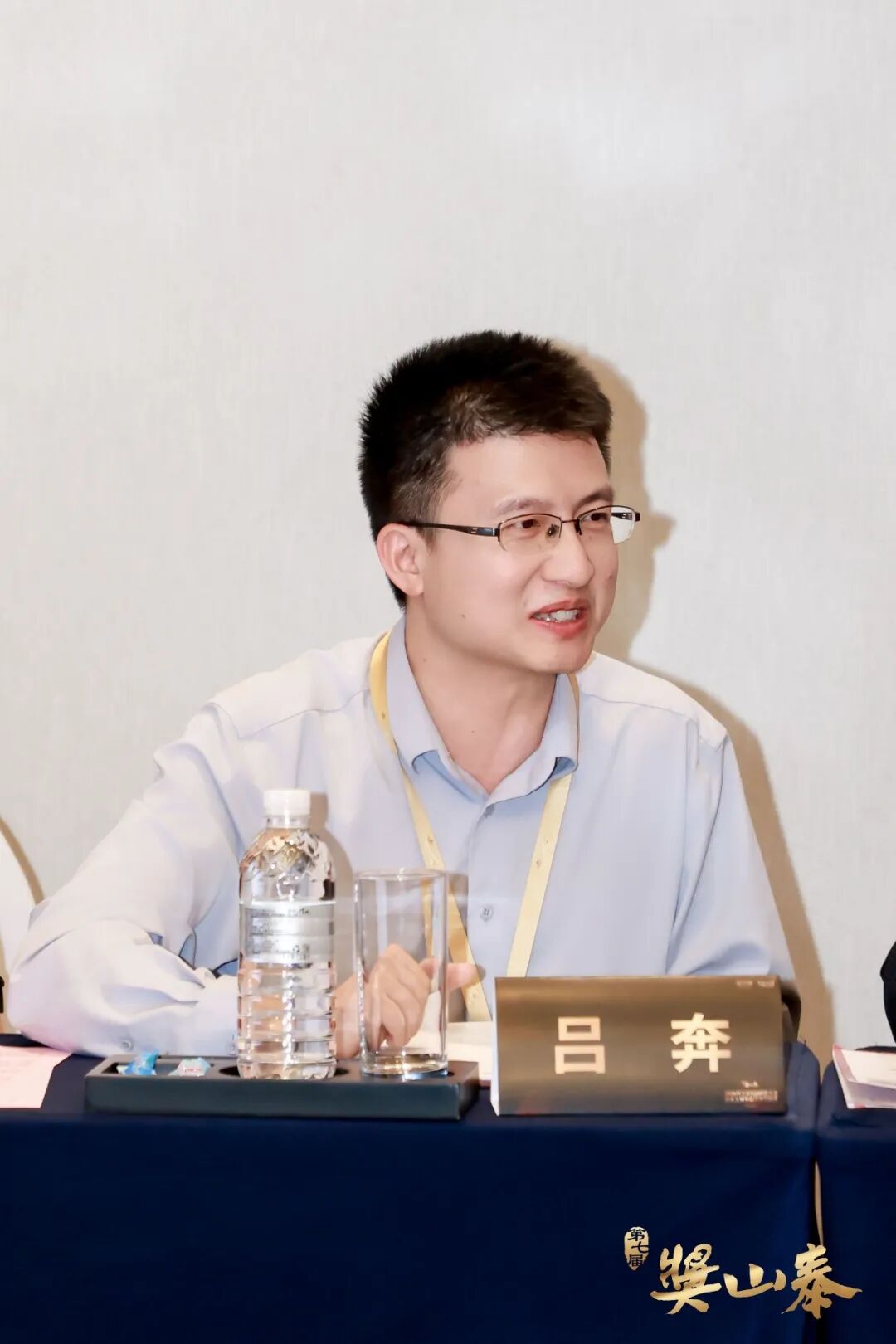
Prof.Ben Lv, President of Second Xiangya Hospital of Central South University and 7th “Qinzi” Youth Clinical Research Award recipient, observed that the Taishan Award’s distinctive selection method complements most domestic “active application” awards and suggested that publishing review minutes in future could further strengthen fairness and credibility.
Prof. Yilai Shu, Vice President of the Eye & ENT Hospital of Fudan University and 7th “Qinzi” Youth Clinical Research Award recipient, recommended codifying the Taishan Award’s bylaws and enforcing them strictly, including a “no lobbying” rule, to ensure that genuine contributors are fairly selected.
Anchoring Value-Based Care, Deepening the Taishan Award: Authoritative Media Endorsement and Multi-Stakeholder Collaboration
Prof. Minghui Ren, Dean of the Peking University Global Health Research Institute, said that the Taishan Award should not pursue the traditional “application materials → selection” path but should maintain its active-nomination, expert-review model, which he described as the brand’s label of independence and credibility. He encouraged MedJ to deepen and refine its existing model and uphold the value-based care philosophy to build authority.
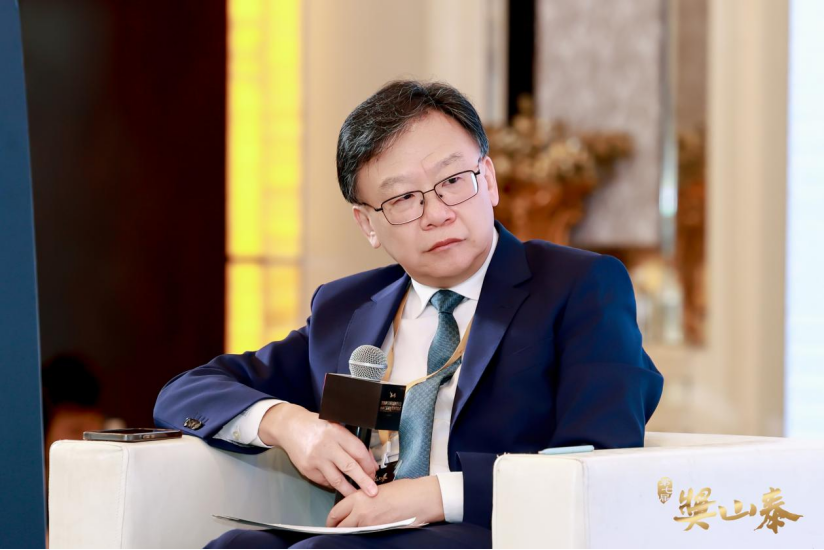
Jinglei Wu, President of the Shanghai Medical Association, recommended that the Value-Based Care Taishan Award target “value” itself, consistently adhere to the value-based care philosophy, and preserve continuity.
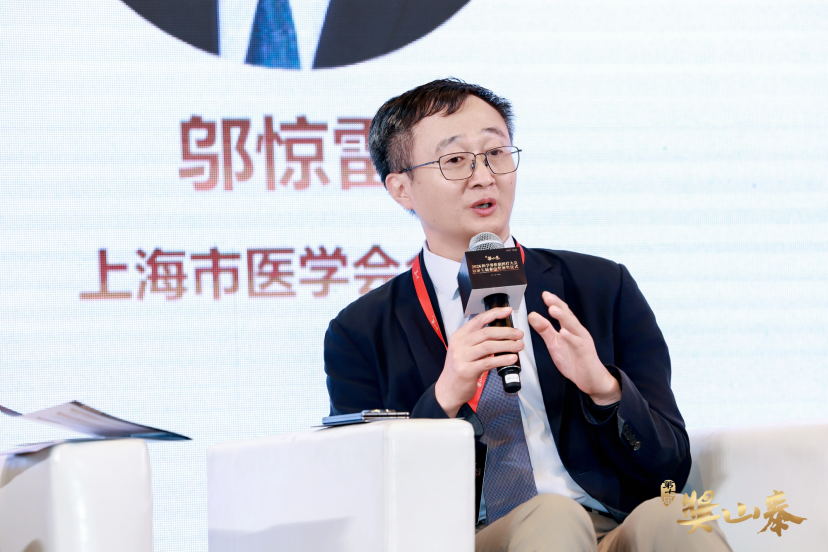
Prof. Yingxian Sun, Director of Cardiology at the First Hospital of China Medical University and 4th Taishan Award Clinical Medicine Research Award recipient, suggested that, beyond MedJ’s own platforms, the Taishan Award should leverage additional media channels to move the brand from “awareness” to “recognition” and aim to become one of the most authoritative benchmark awards in the medical field.
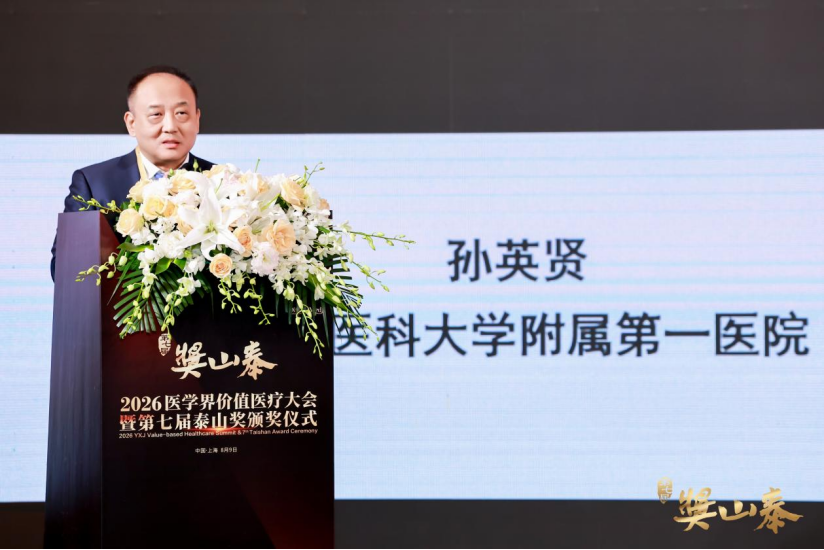
Researcher Ge Yanfeng looked forward to more effective collaboration with government, professional organizations, and academic communities, to build consensus on value across stakeholders.
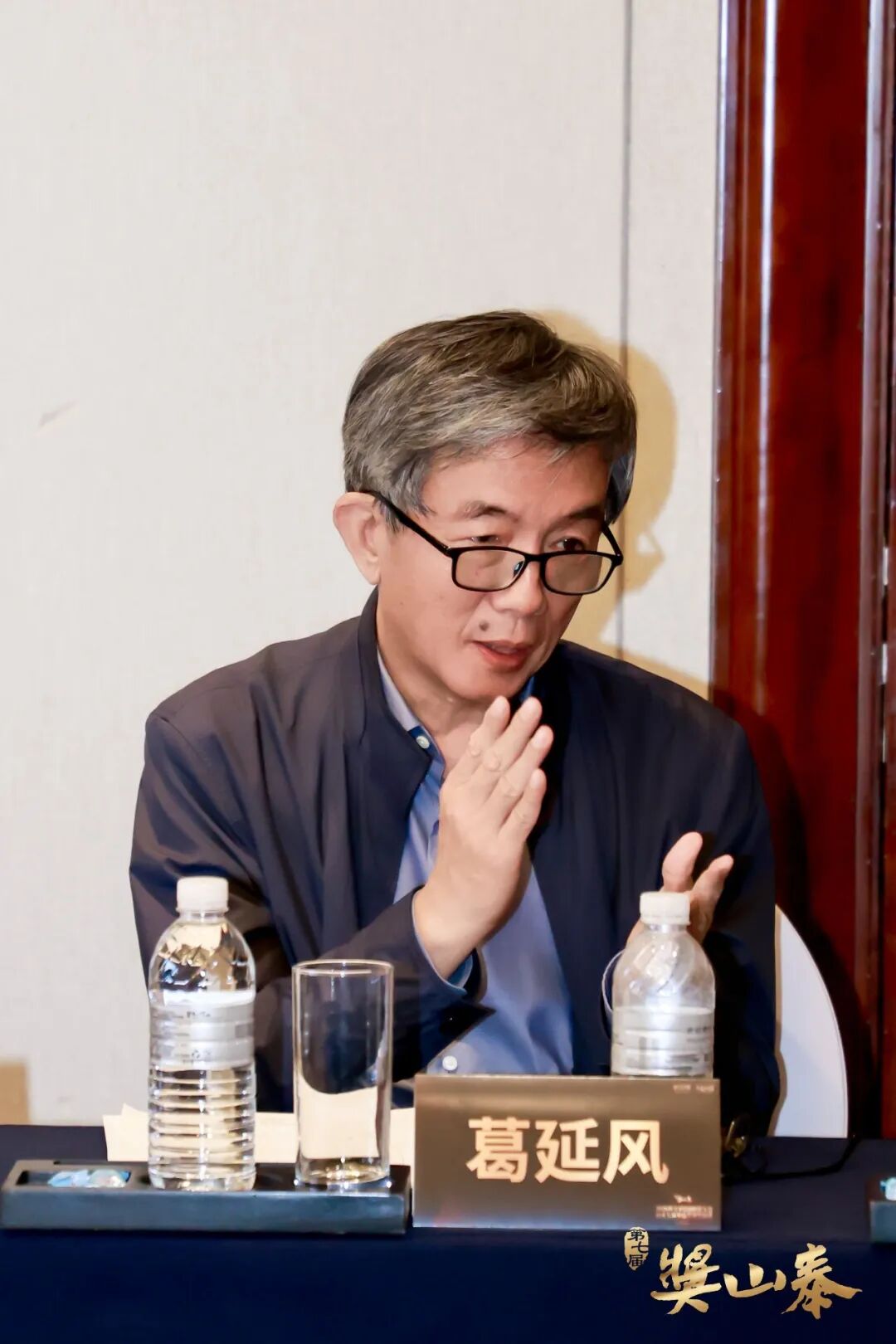
Academician Kaixian Chen similarly endorsed the Taishan Award’s distinctiveness and value orientation, advising that the value-based care orientation must not be lost: “It is the Taishan Award’s unique value. In future development, patience and conviction are required—codifying the review process, continuously strengthening the award’s authority, and making the Taishan Award an industry-recognized benchmark.”
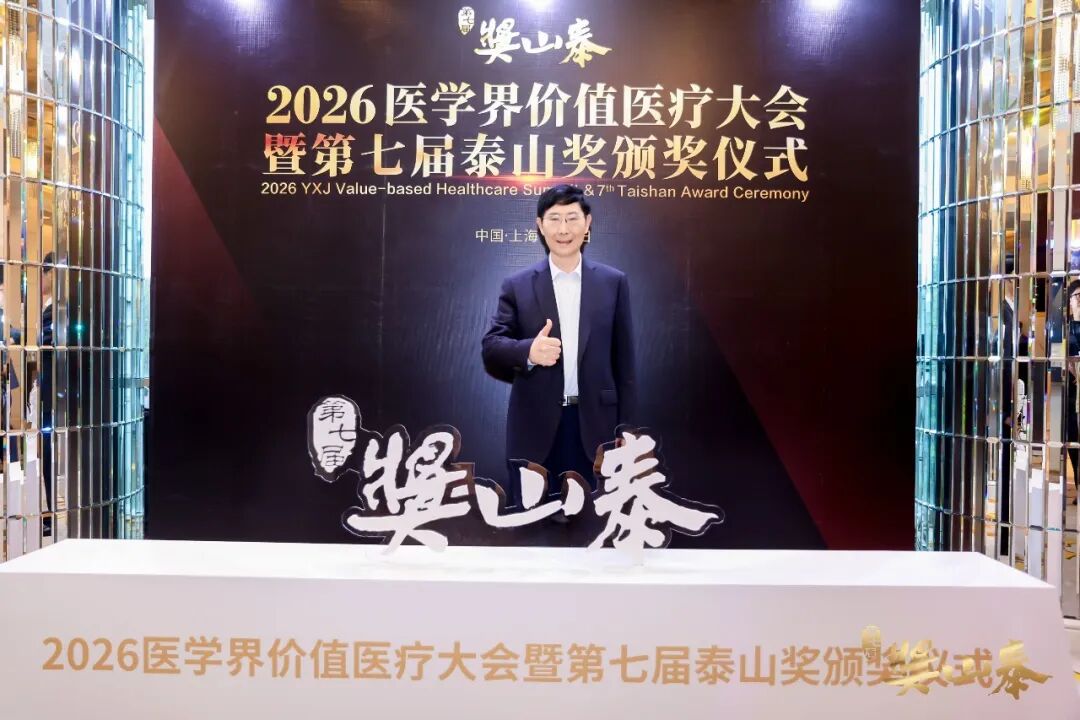
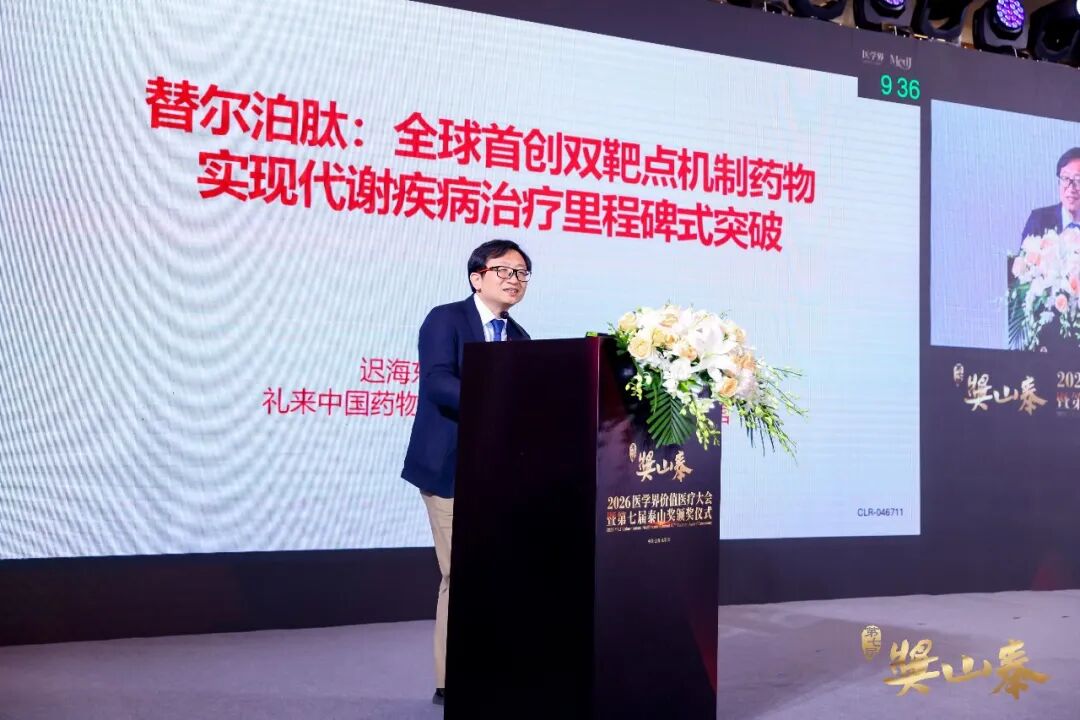
Industry representatives also offered international perspectives on value-based care. Dr. Haidong Chi, Eli Lilly Global Vice President and Chief Medical Officer of Lilly China Drug Development and Medical Affairs Center, shared his surprise at receiving the award: “I was representing the company, and I had not done any prior work—then one day I simply received a call.” In his view, the independence and credibility embodied in the blind-selection mechanism are precisely what industry most values.
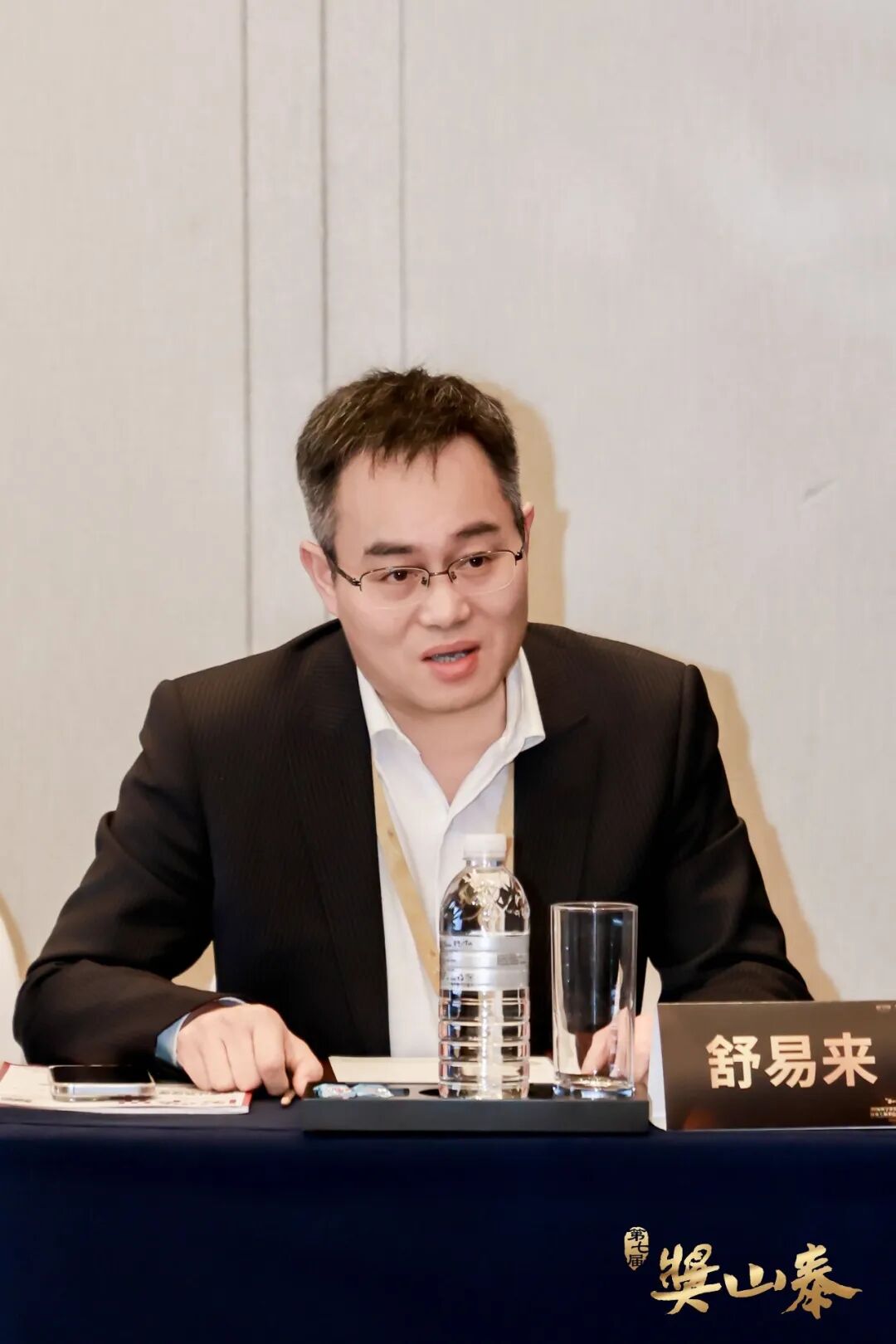
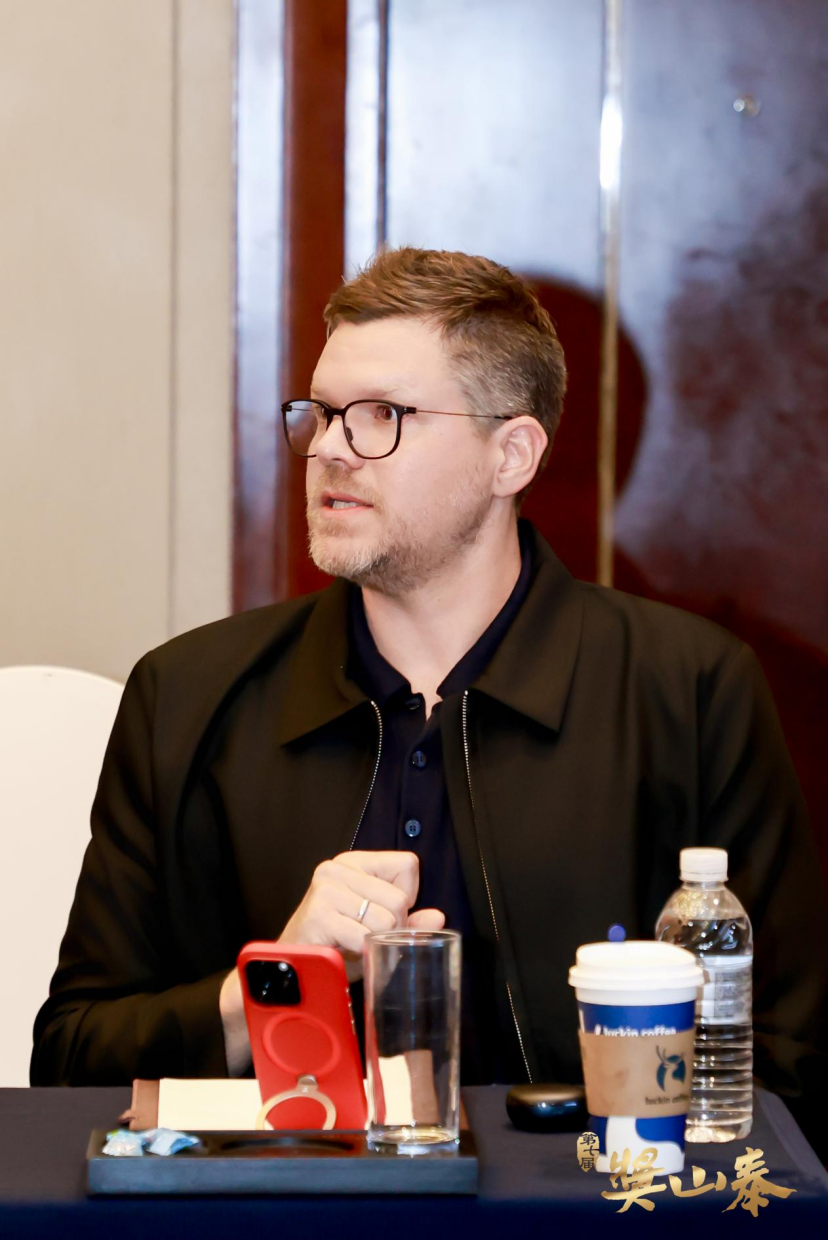
Sven Koster, Senior Vice President and Head of Diagnostic Imaging at Siemens Healthineers Greater China, brought an international perspective, noting that value-based care is drawing increasing global attention. He expressed strong interest in China's exploration of value-based care, noting that the Taishan Award sets a benchmark for high-quality development of China’s healthcare system by recognizing individuals and institutions that create genuine value in clinical practice, public service, and medical innovation. He looked forward to deeper collaboration with the Taishan Award and the Chinese medical community.
Looking Ahead to 2030: Building an Industry Benchmark on Professionalism and Credibility
In the closing remarks, Chen Qirui, founder of the Taishan Award and founder of MedJ, observed that the Taishan Award’s early structure drew on the classic Lasker Award model, while the latter half added a science-grounded, application-oriented medical innovation layer, charting a distinctive path for Chinese medical awards. Looking forward, the review process will continue to iterate, with further consolidation, transparency, and credibility enhancement, to make the Taishan Award a more influential Chinese medical benchmark.
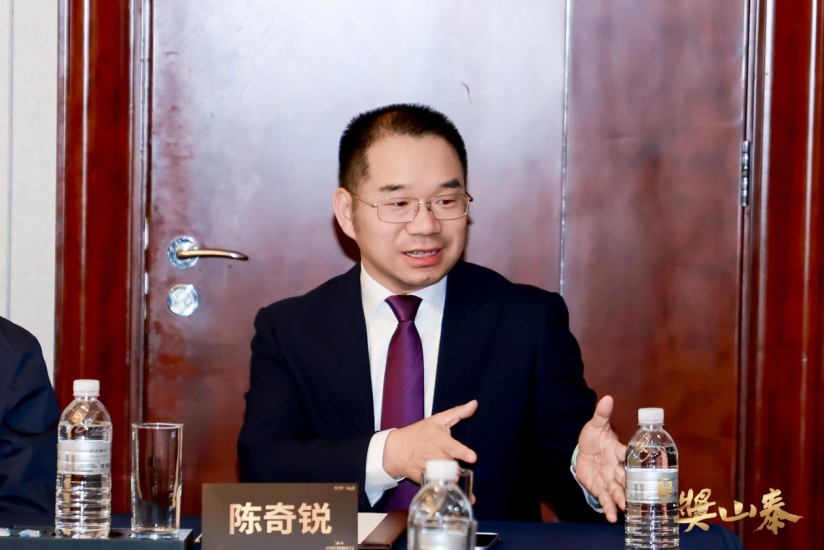
Chen Qirui said the Taishan Award will uphold the founding mission of value-based care, use the consensus from this ceremony as a guide, refine its selection process, and continue to enhance the professionalism of the review, the credibility of the brand, and the reach of the event. The aim, he said, is for every recipient to be “truly deserving,” as the Taishan Award and its partners jointly pursue value-based healthcare and the 2030 milestone.

