


The 2026 American Thoracic Society (ATS) International Conference opened in Orlando, Florida from May 15 to 20. Among the highlights was ATS-China Day, a dedicated session on Chinese advances in respiratory medicine, held on May 16 at 2:00 PM local time in Room W204 of the Orange County Convention Center. The event gathered top respiratory experts from China and abroad under the theme "Chinese Innovation in Respiratory Medicine from a Global Perspective," building a bridge for dialogue between Chinese and international medicine and contributing Chinese insight to the global effort against respiratory disease.
ATS-China Day traces its origins to 2011, when Prof. Chunxue Bai of Zhongshan Hospital, Fudan University spearheaded a partnership between ATS and the International Society of Respiratory Diseases (ISRD). Over more than fifteen years, the session has grown into a sustained platform for showcasing Chinese expertise on the world stage. To deliver a comprehensive record of the event for colleagues and readers in China, MedJ's Pulmonary Channel conducted exclusive on-site coverage of ATS-China Day 2026.
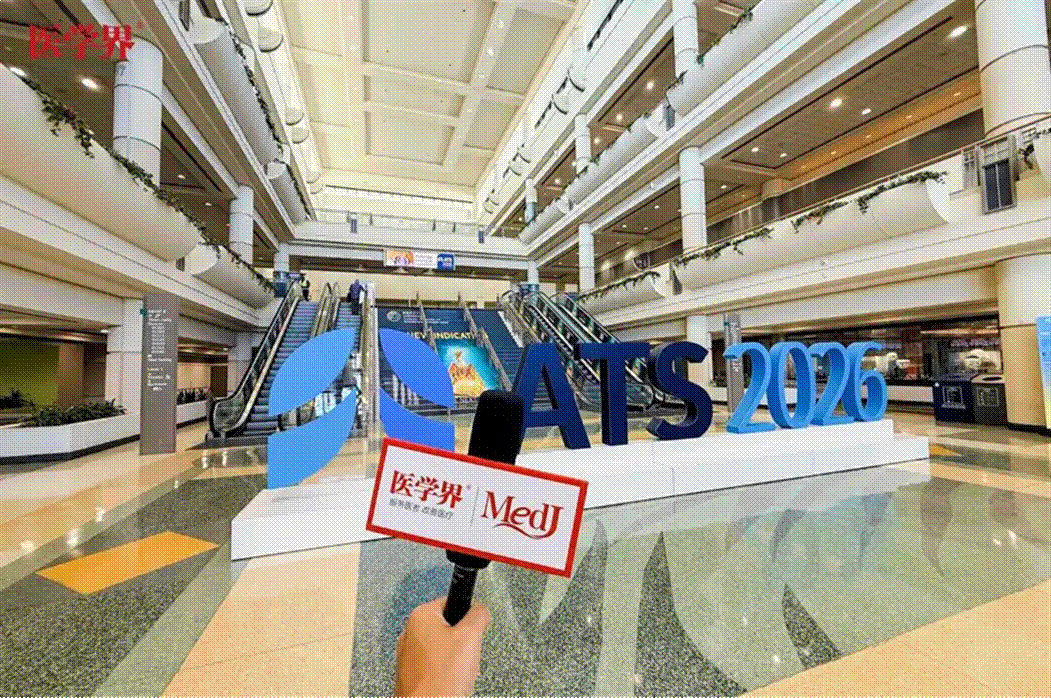
Fig. 1. MedJ on-site at ATS 2026
Session I: Addressing Clinical Challenges in Diagnosis and Treatment
The session opened with welcoming remarks from four co-chairs: Prof. Charles A. Powell of the Icahn School of Medicine at Mount Sinai, Prof. Wei Chen of the University of Pittsburgh School of Medicine, Prof. Yuanlin Song of Zhongshan Hospital, Fudan University, and Prof. Yongchang Sun of Peking University Third Hospital. They welcomed attendees and offered an overview of ongoing international collaboration among ATS, ISRD, CALA, and CTS, underscoring China's global contributions in technological innovation, clinical translation, and talent development.
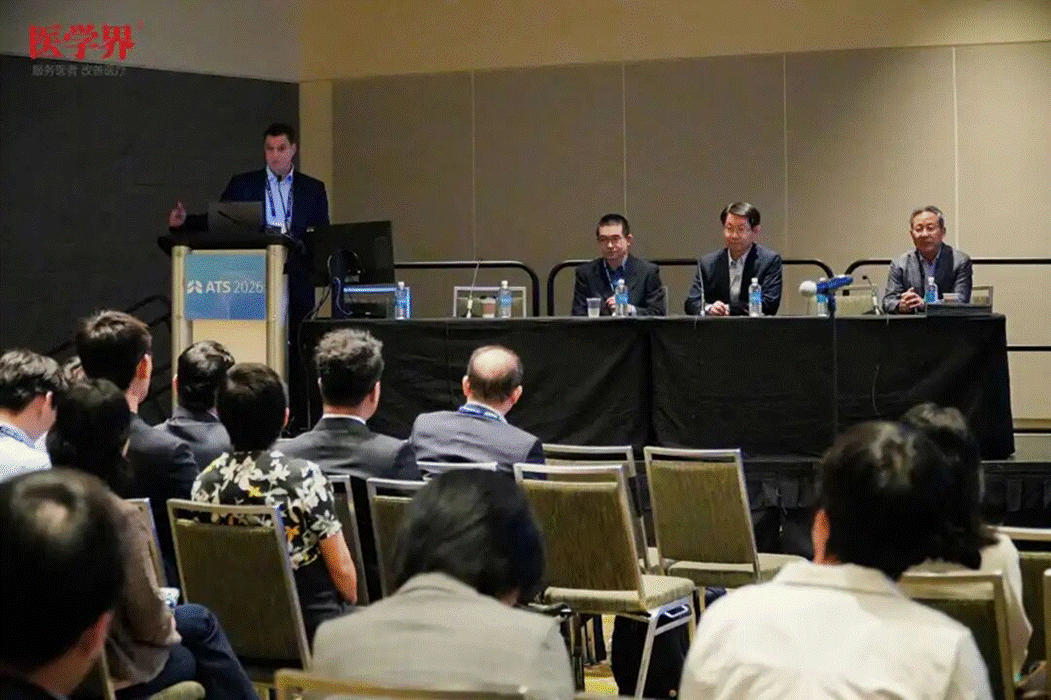
Fig. 2. From left to right: Prof. Charles A. Powell, Prof. Wei Chen, Prof. Yuanlin Song, Prof. Yongchang Sun
Talk 1: AI-Driven Precision Diagnosis of Early Lung Cancer
Prof. Charles A. Powell from the Icahn School of Medicine at Mount Sinai delivered the first talk, addressing AI-driven imaging and clinical decision support for early lung cancer detection.
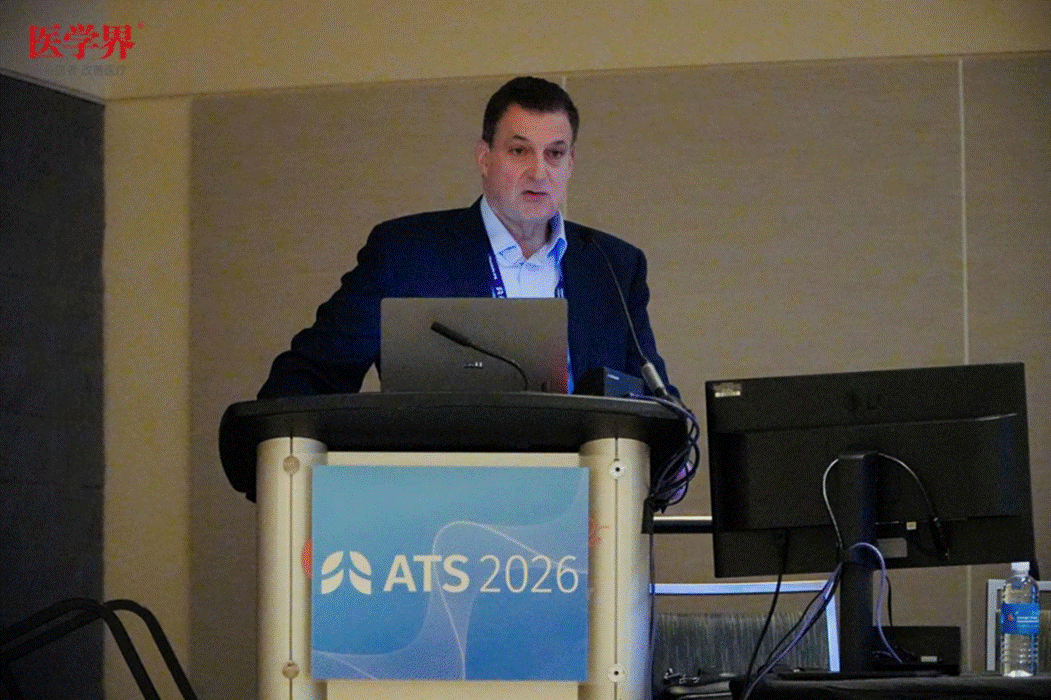
Fig. 3. Prof. Charles A. Powell presenting
Globally, imaging examinations exceed 3.6 billion annually, yet radiology resources remain stretched. Over 30% of acute findings are missed or delayed, and the average lag between evidence and clinical adoption runs between 5 and 17 years. AI has the potential to compress diagnostic timelines, reduce care variation, and embed evidence-based medicine directly into clinical workflows.
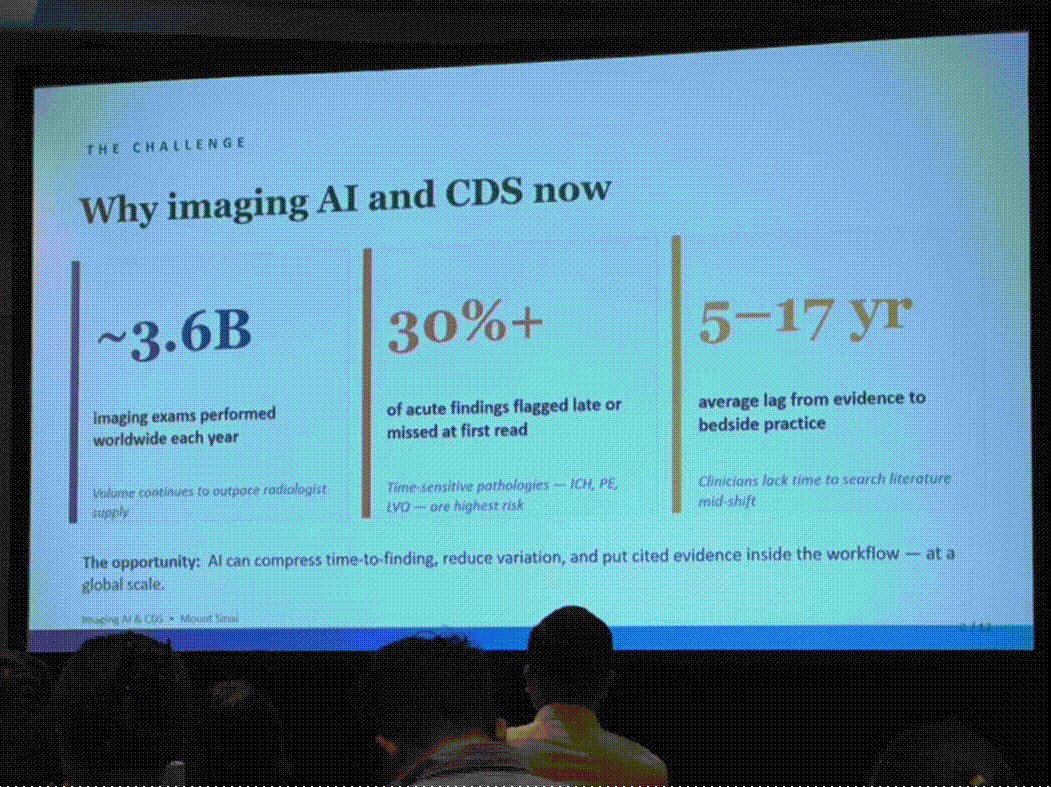
Fig. 4. Slide from Prof. Charles A. Powell's presentation
Mount Sinai has built its AI infrastructure around four pillars spanning the full care pathway:
Aidoc: An FDA-cleared imaging triage tool with over 99% sensitivity for pulmonary embolism and aortic dissection; its NLP-driven IVC filter follow-up system improves identification efficiency by 2.7-fold.
AgileMD: An EHR-integrated deterioration prediction and clinical pathway standardization tool.
Coreline AVIEW: LDCT-based lung cancer screening with simultaneous quantification of emphysema and coronary artery calcium.
OpenEvidence: A bedside natural-language evidence retrieval system accessible to all clinical staff hospital-wide.
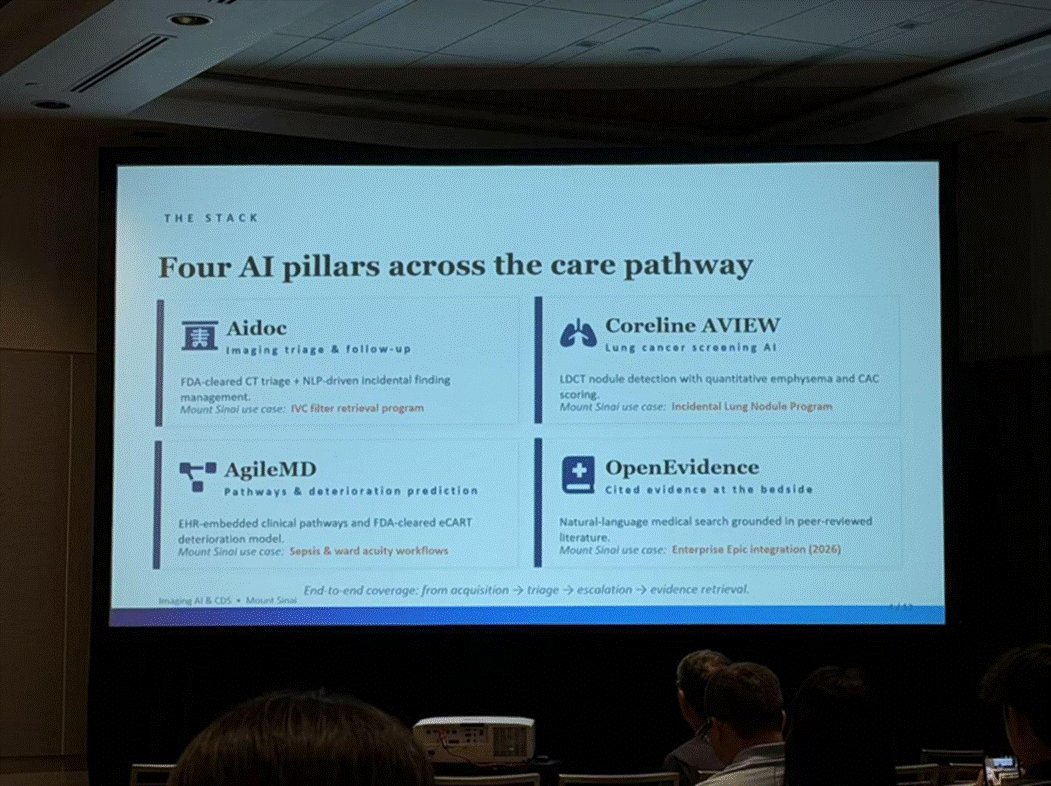
Fig. 5. Mount Sinai's four-pillar AI framework across the care continuum
Prof. Powell summarized the key lessons for successful AI adoption: target real workflow pain points, validate locally with centralized governance, embed deeply within EHR systems, and ensure broad staff accessibility — all under four guiding principles: regulation, governance, rigor, and transparency.
Talk 2: Global Response to Emerging Respiratory Viral Infections
Prof. Bin Cao of China-Japan Friendship Hospital presented on "Emerging Respiratory Viral Infections: Clinical Challenges and Global Response."
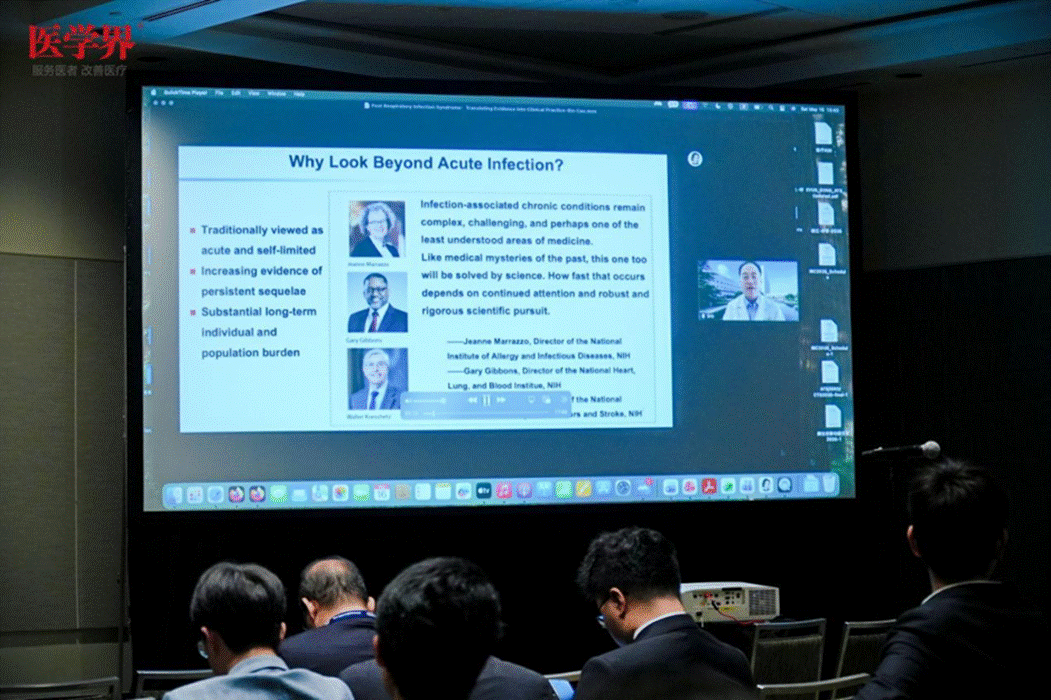
Fig. 6. Prof. Bin Cao presenting via video link
Acute respiratory infections are not self-limiting conditions. SARS, influenza, and COVID-19 all leave behind lasting pulmonary damage and multisystem symptoms. Post-respiratory infection syndrome (PRIS) has emerged as a major public health concern. Long COVID in particular presents as a heterogeneous set of multisystem symptoms persisting for months to years, significantly affecting quality of life.
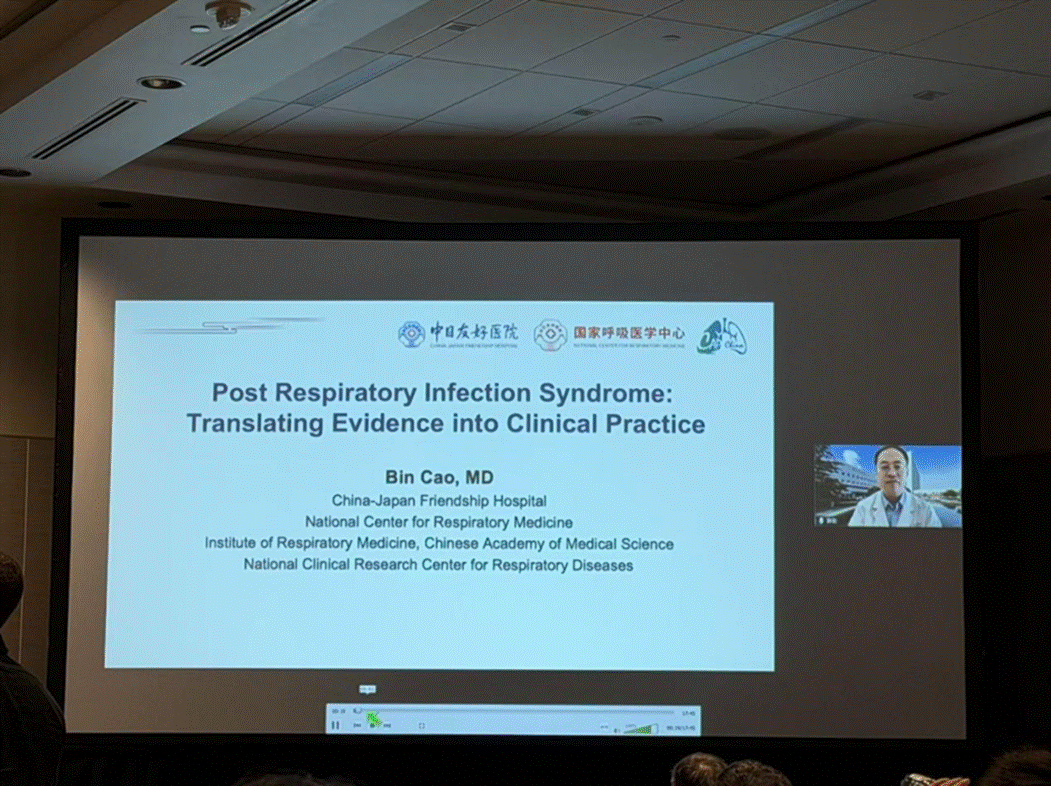
Fig. 7. Slide from Prof. Bin Cao's presentation
Prof. Cao's team led the development of the world's first Clinical Practice Guidelines for the Prevention and Management of Long COVID. The guidelines cover eight core clinical questions and make clear recommendations: vaccination and acute-phase antiviral therapy are recommended for Long COVID prevention; multi-strain probiotics, cognitive behavioral therapy, and individualized rehabilitation are recommended interventions; corticosteroids are not recommended for improving respiratory symptoms.
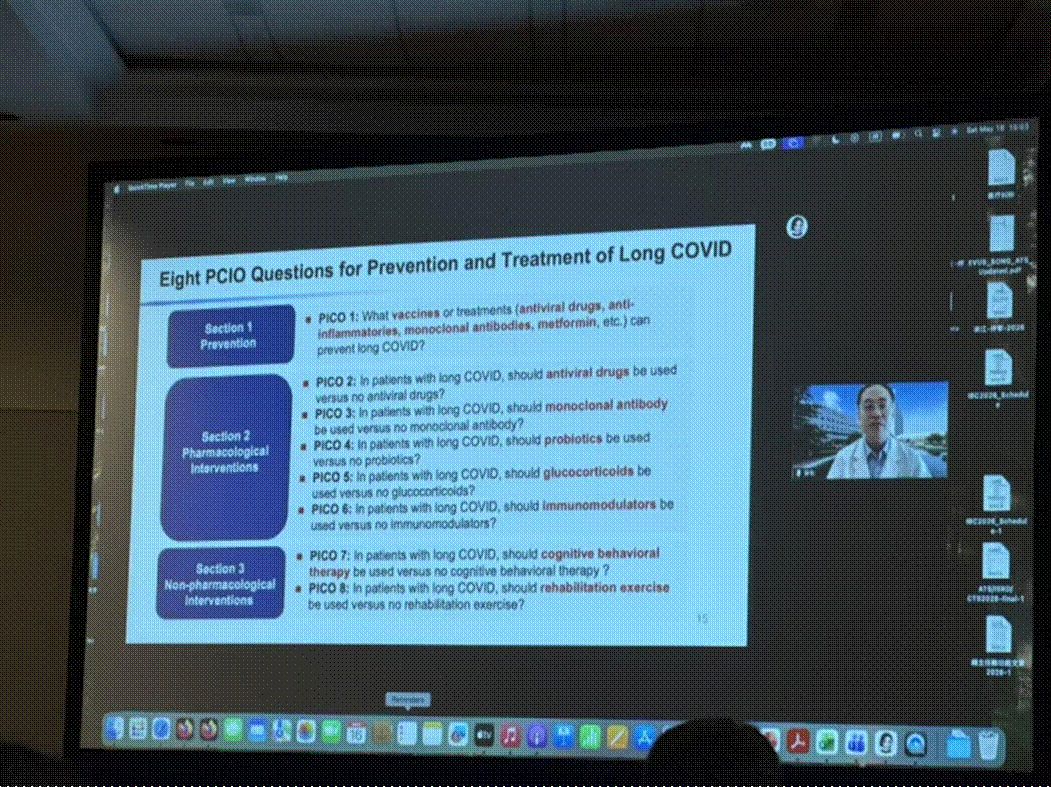
Fig. 8. Eight core clinical questions addressed in the Long COVID guidelines
The team has also established a multidisciplinary outpatient model integrating respiratory medicine, cardiology, neurology, rehabilitation, and traditional Chinese medicine, with standardized assessment, intervention, and long-term follow-up — providing a Chinese approach to the clinical management of PRIS.
Session II: Embracing Technological Innovation to Advance Respiratory Medicine
Talk 3: AI and Multi-Omics for Breakthroughs in Respiratory Disease Management
Prof. Yuanlin Song of Zhongshan Hospital, Fudan University presented on "The Application of Artificial Intelligence and Scientific Innovation in Respiratory Disease."
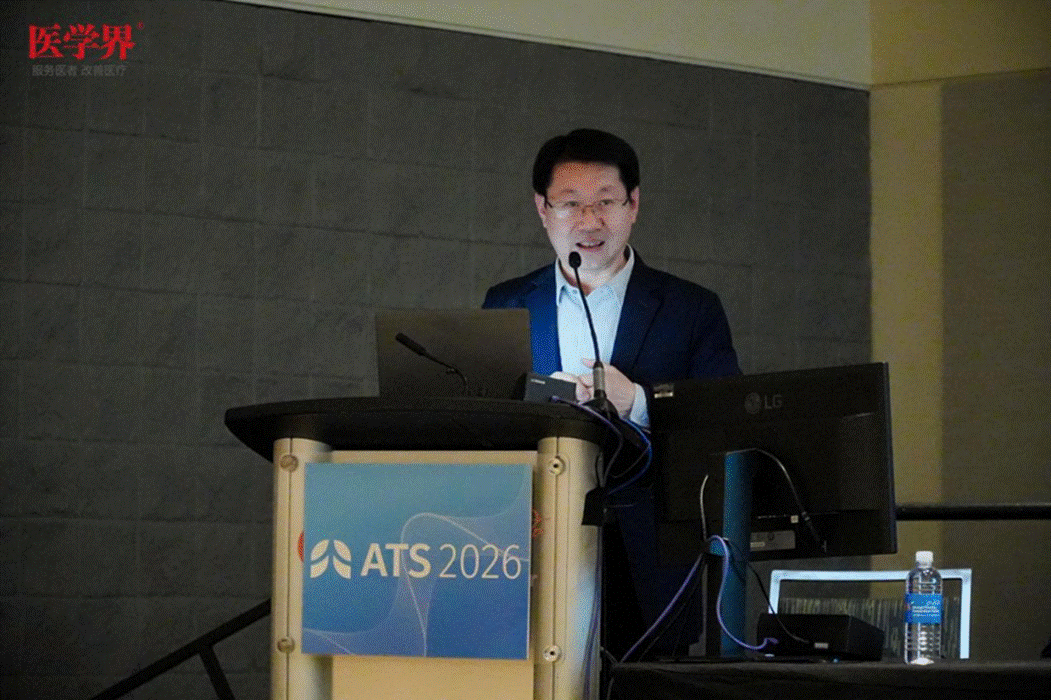
Fig. 9. Prof. Yuanlin Song presenting
China has over 100 million COPD patients. The prevalence among adults aged 40 and above reaches 13.7%. Conventional care faces persistent gaps in screening coverage, monitoring responsiveness, and community-based disease management.
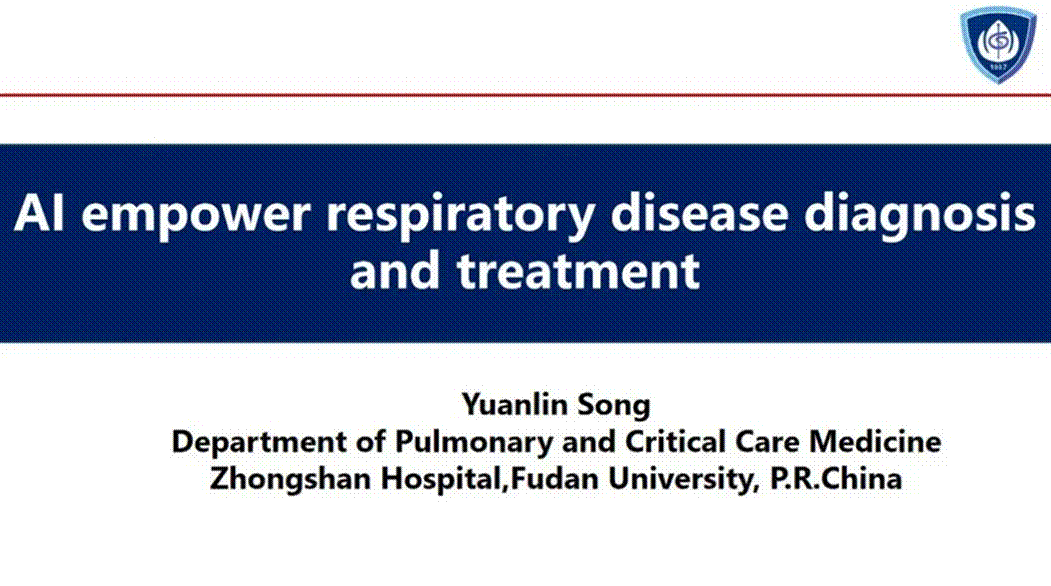
Fig. 10. Slide from Prof. Yuanlin Song's presentation
Prof. Song's team has developed a comprehensive system integrating AI, the Internet of Things, and wearable devices:
3D-EIT technology enables real-time assessment of pulmonary ventilation and perfusion, supporting pulmonary embolism diagnosis and thrombolysis monitoring.
A portable spirometer weighing approximately 300 grams reduces equipment costs by 90% while maintaining 93% accuracy, enabling community-level screening for COPD and asthma.
A single-electrode AI sleep monitor achieves an accuracy of 0.92 and supports home-based OSA screening.
Respiratory sound AI recognition combined with a random forest model predicts pneumonia with over 90% accuracy.
An IoT-enabled home non-invasive ventilation system significantly reduces the risk of acute COPD exacerbations and delays hospitalization.
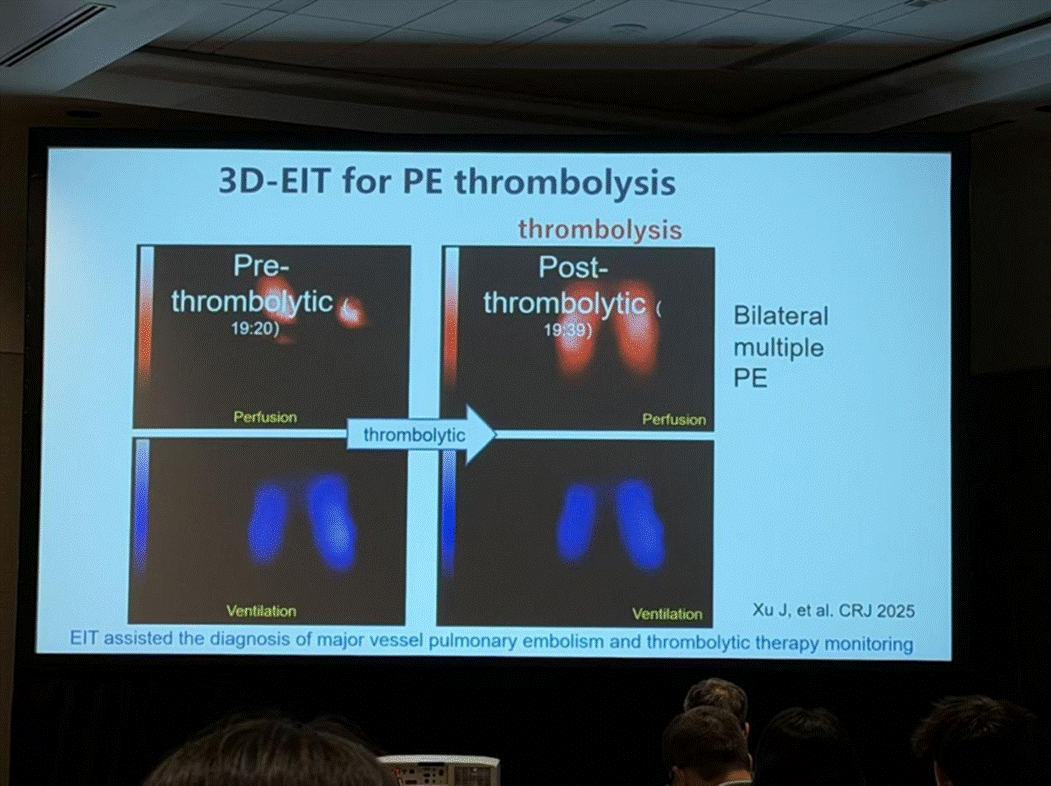
Fig. 11. 3D-EIT system for pulmonary embolism thrombolysis monitoring
AI has also identified new drug targets for idiopathic pulmonary fibrosis (IPF), opening new avenues for research into difficult-to-treat respiratory conditions. The team plans to deepen the integration of AI into clinical practice and build a hospital-community-home integrated model for chronic disease management.
Talk 4: From Big Data to Precision Medicine — Multi-Omics Research in Practice
Prof. Wei Chen of the University of Pittsburgh School of Medicine presented on "Application of AI and Multi-Omics in Respiratory Disease Research: From Big Data to Precision Medicine."
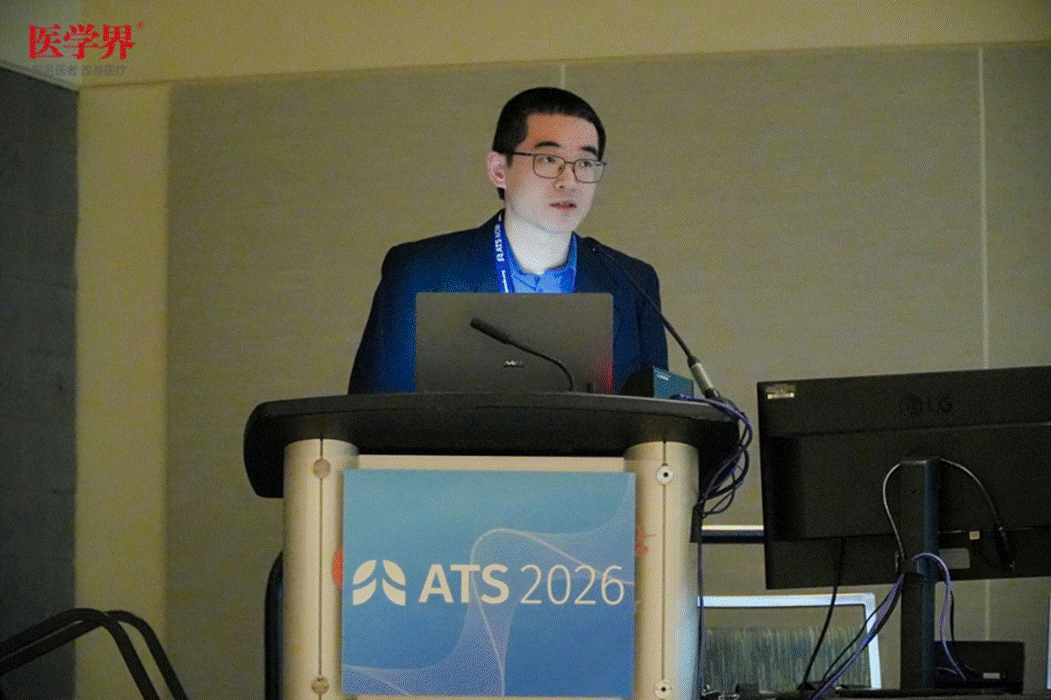
Fig. 12. Prof. Wei Chen presenting
The integration of AI and multi-omics offers new approaches to understanding disease mechanisms and refining disease classification. Prof. Chen's team conducted multi-omics research in pediatric asthma, using nasal epithelial transcriptomics and methylation data to identify three endotypes: T2-high, T17-high, and T2-low/T17-low. DNA methylation proved more stable and more effective for classification than RNA-based analysis.
For viral-bacterial co-infections, spatial transcriptomics revealed spatially coordinated immune dysregulation. The team's proprietary STARS algorithm enhances spatial transcriptomic resolution to the single-cell level, enabling cross-platform analysis of tissue microenvironments and cell-cell interactions. In pulmonary arterial hypertension and other diseases, it precisely maps macrophage and fibroblast distribution.
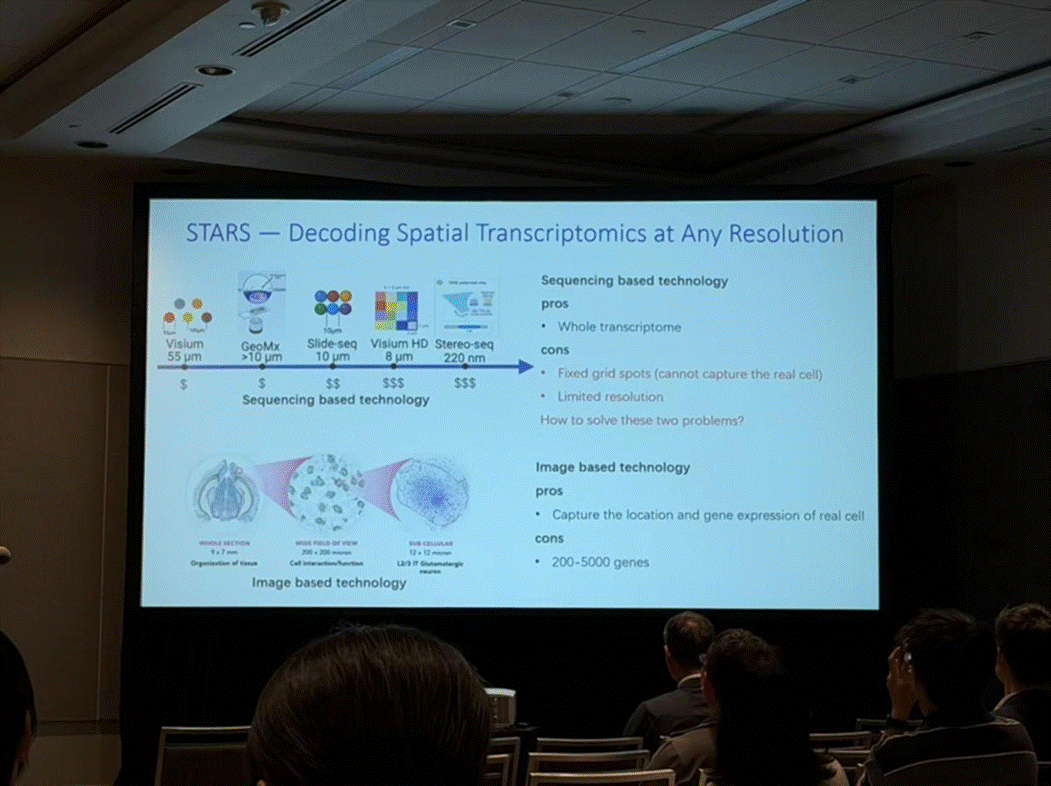
Fig. 13. The STARS algorithm developed by Prof. Wei Chen's team
Future plans include developing non-invasive biomarkers, building a spatial multi-omics AI foundation model, and achieving precise cross-tissue and cross-disease prediction and treatment.
Young Scholars: The Next Generation of Chinese Respiratory Medicine
During the ATS-ISRD Young Investigator Award presentation segment, ten Chinese young researchers took the stage to share their latest work in respiratory medicine. Their research spanned basic science, clinical translation, technological innovation, and public health — reflecting the energy and creative potential of China's next generation of respiratory specialists.
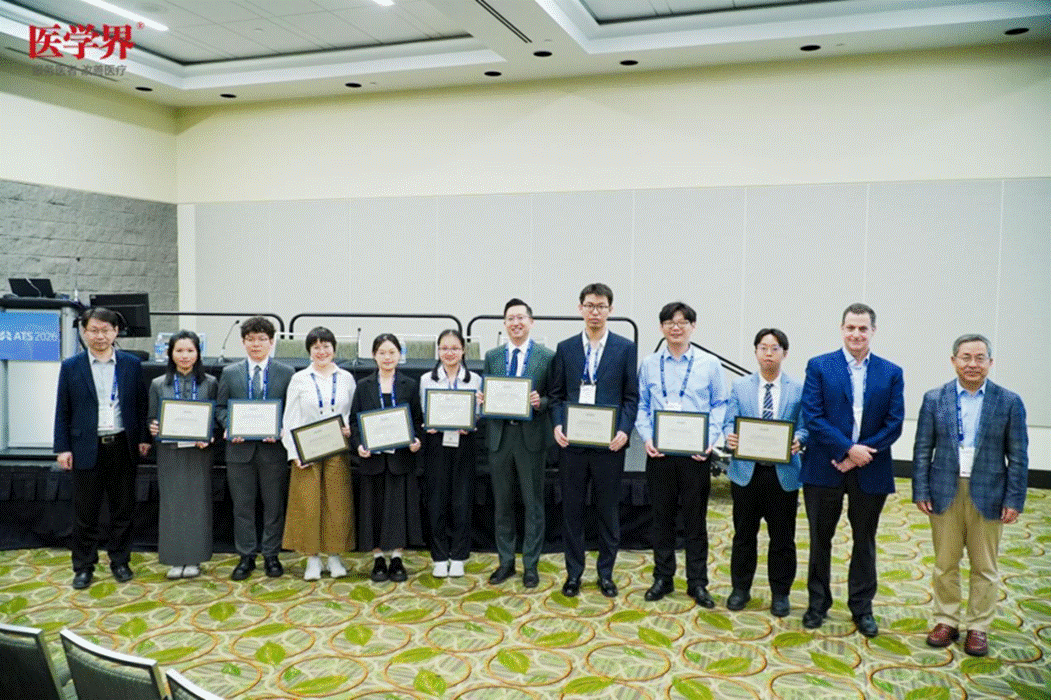
Fig. 14. ATS-ISRD award recipients
Conclusion
From precision AI-assisted imaging to deep multi-omics analysis, from breaking through the clinical complexities of post-respiratory infection syndrome to transforming chronic disease management through wearable technology, ATS-China Day 2026 presented a high-caliber academic program that showed the world China's innovative capacity and sense of responsibility in respiratory medicine.
Bridging continents through dialogue, and advancing global health through medicine — China's respiratory medicine community will continue working alongside international colleagues, driving innovation and building a shared future for respiratory health.

