


In 2025, global medical science achieved remarkable advances. MedJ has selected the annual “Top 10 Clinical Breakthroughs”, which not only reflect the spirit of scientific innovation but also bring renewed hope for human health through transformative progress.
For many years, MedJ has been committed to tracking, disseminating, and documenting major innovations capable of reshaping human health. This year, we witnessed infants with fatal genetic diseases freed from their inherited constraints; common yet devastating conditions such as Parkinson’s disease and autoimmune disorders showing signs of reversal; patients with chronic diseases bidding farewell to daily medication; and cancer patients enjoying increasingly prolonged disease-free survival.
These breakthroughs—once seemingly distant and confined to obscure laboratory papers—were translated into clinical reality in 2025 at an unprecedented pace, following years of relentless exploration by countless clinicians and researchers, heralding the arrival of a new medical era.
On the occasion of the New Year, the MedJ editorial team has curated the “2025 Top 10 Clinical Breakthroughs.” From this list, it is evident that China has achieved substantial progress in medical innovation, particularly at the forefront of biomedicine, including cell and gene therapy and regenerative medicine, where it is increasingly assuming a leading position globally.
Over the past year, while MedJ continued to adhere firmly to the principles of evidence-based medicine, we were once again privileged to witness extraordinary advances in healthcare—and we believe these breakthroughs will continue to shape the future of human medicine.
Below are the Top 10 Clinical Breakthroughs of 2025 (listed in chronological order):
1. Chinese Surgeons Implant Gene-Edited Pig Liver into the Human Body
On January 7, 2025, a team led by Academician Kefeng Dou at Xijing Hospital of Air Force Medical University announced the world’s first successful orthotopic transplantation of a gene-edited pig liver into a brain-dead human patient. Following restoration of blood flow, the transplanted pig liver immediately produced bile and performed normal physiological functions, effectively replacing the human liver.
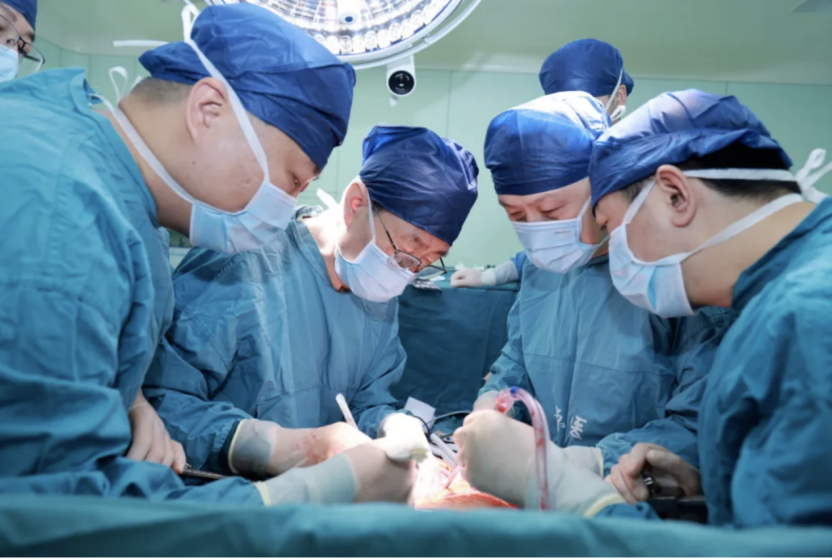
To date, more than 20 cases of xenogeneic transplantation of large organs into humans have been reported worldwide, previously focusing mainly on hearts and kidneys, with China and the United States forming a clear “two-power race.” The world’s first orthotopic whole pig liver transplantation performed at Xijing Hospital provides critical theoretical support for using pig livers as a bridge therapy in acute liver failure and has generated significant international academic impact.
Post-transplant survival records continue to be broken. On October 23, 2025, a U.S. team reported a gene-edited pig kidney functioning in a human recipient for 271 days, setting a new global record. One month later, Asia’s first xenogeneic kidney transplant recipient at Xijing Hospital had the transplanted pig kidney removed after 261 days, marking the second-longest survival duration worldwide.
Organ shortage remains the greatest bottleneck in transplantation. Globally, approximately 2 million patients require organ transplants each year, yet fewer than 10% receive them, leaving countless patients to die while waiting. The academic community envisions pig organs as a future “standardized resource,” enabling immediate transplantation for patients in need.
This vision may soon become reality. On November 3, 2025, the United States announced the completion of the world’s first clinical trial of pig kidney transplantation in humans, marking the transition of this technology from compassionate use to large-scale clinical trials. Some experts predict that within five years, pig kidney transplantation may become a routine surgical procedure.
2. Cancer Vaccine Demonstrates Potent Efficacy Against the “King of Cancers” (Pancreatic Cancer)
On February 19, 2025, Nature published findings showing that the personalized mRNA tumor vaccine BNT122 consistently reduced the risk of recurrence in patients with resected pancreatic ductal adenocarcinoma (PDAC).
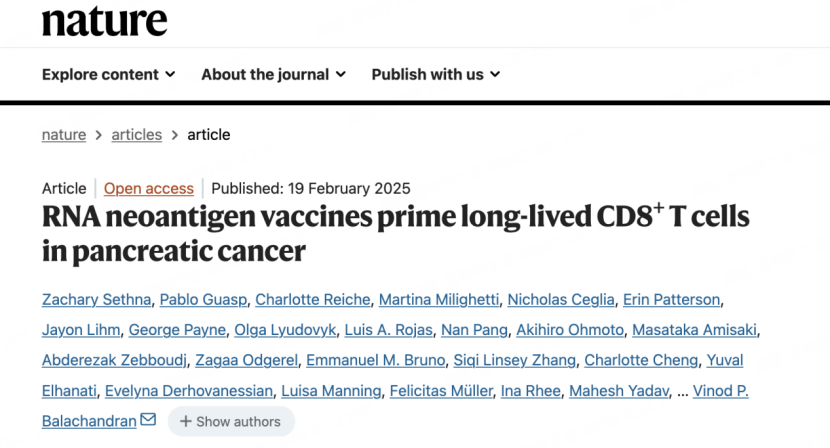
Pancreatic cancer is highly aggressive and carries a poor prognosis, with an average 5-year survival rate of less than 10%, earning it the moniker “the King of Cancers.” PDAC accounts for approximately 80% of pancreatic cancers, with a 5-year survival rate of only 7.2%–9%. Even after surgery, more than 60% of patients experience recurrence within 12 months.
BNT122 is a personalized neoantigen vaccine tailored in real time for each patient. Tumor tissue is first sequenced to identify unique cancer mutations, from which the most immunogenic targets are selected. An individualized mRNA vaccine is then produced to direct the patient’s immune system to precisely attack the tumor.
Clinical results showed that among eight patients who mounted a vaccine-induced immune response, no tumor recurrence occurred within 18 months. At a median follow-up of 3.2 years, six patients remained recurrence-free, and median relapse-free survival had not yet been reached. Vaccine-induced T-cell responses were robust, with some T cells expected to persist for over 10 years, suggesting durable protection.
In 2025, tumor vaccine development entered a fast-track phase. Multiple mRNA-based cancer vaccines, both in China and internationally, demonstrated encouraging efficacy across various tumor types. Notably, vaccines opened new therapeutic possibilities for traditionally “cold tumors” such as pancreatic and ovarian cancers.
3. Customized Gene-Editing Therapy for Infant Genetic Disorders
On February 25, 2025, the world’s first customized in vivo base-editing therapy completed its initial clinical application, successfully saving a 6-month-old infant. The New England Journal of Medicine reported that this achievement opens a new pathway for personalized precision treatment of rare genetic diseases.
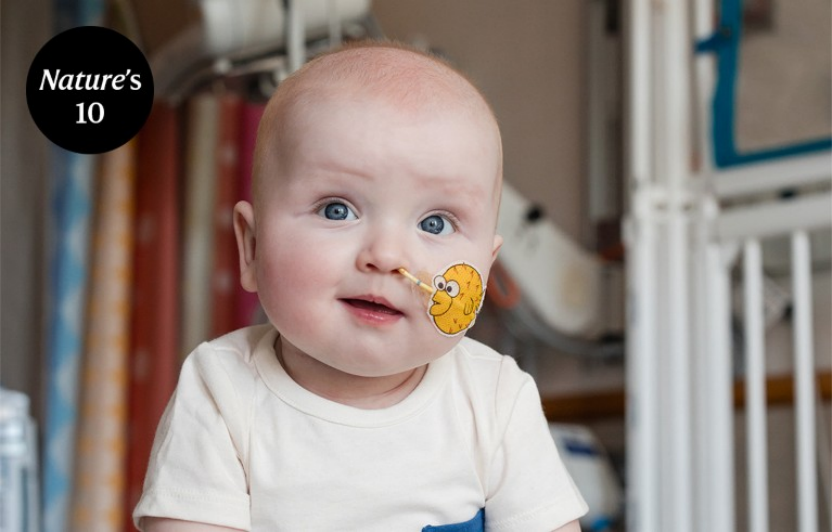
Shortly after birth, infant KJ Muldoon was diagnosed with carbamoyl phosphate synthetase 1 (CPS1) deficiency. Conventional treatment requires strict dietary protein restriction or liver transplantation, with an infant mortality rate of up to 50%.
A multinational research team rapidly developed a personalized therapeutic strategy using a next-generation gene-editing technology—base editors—to repair the defective gene. From initiation of research to clinical treatment, the entire process took just six months, setting a global record for gene therapy development speed.
This milestone demonstrated the power of multinational scientific collaboration in overcoming geographic and procedural barriers to rapidly translate cutting-edge technologies into life-saving treatments. While challenges remain—including efficiency, durability, safety, and cost—this case validated the feasibility of rapidly developing customized gene therapies for critically ill infants.
The U.S. Department of Health and Human Services subsequently launched new initiatives aimed at expanding precision gene therapy, stating the goal of moving “from saving one baby to saving thousands of children.”
4. Stem-Cell Therapy Achieves Breakthrough in Parkinson’s Disease Treatment
On April 16, 2025, Nature published two-year follow-up results from Kyoto University Hospital on stem-cell therapy for Parkinson’s disease. Among six patients, four showed motor improvement during medication-off periods, and five during medication-on periods, with no serious adverse events reported.
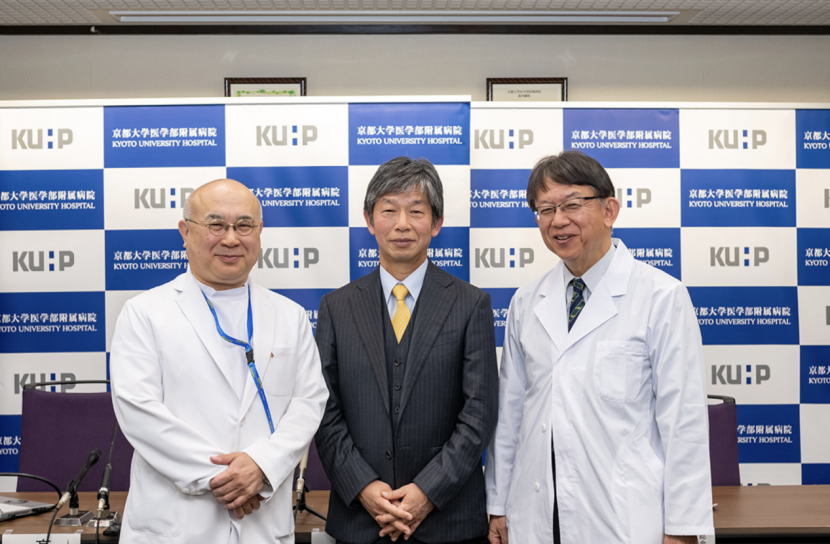
This marked the world’s first clinical application of induced pluripotent stem cell (iPSC)-based transplantation therapy for Parkinson’s disease. Globally, up to 8 million individuals are affected, with no curative treatment available. Long-term medication alleviates symptoms but cannot halt disease progression.
iPSC-based regenerative therapy may change this paradigm. In 2006, Professor Shinya Yamanaka first developed iPSCs, earning the 2012 Nobel Prize. These cells can self-renew indefinitely and differentiate into dopaminergic neurons—the key cells lost in Parkinson’s disease.
In China, similar breakthroughs emerged in 2025. In April, a team led by Professor Jun Liu at Ruijin Hospital restored motor function in a patient with a 14-year disease history. In October, the world’s first functional cure of early-onset Parkinson’s disease was reported at Anhui Provincial Hospital by a team led by Vice President Jiong Shi.
Globally, over ten clinical trials are currently underway, with many more targeting diseases such as diabetes, retinal disorders, and heart failure. The era of regenerative cures may be approaching.
5. A New Era of Long-Acting Lipid-Lowering Therapies
On July 31, 2025, the U.S. Food and Drug Administration approved an expanded indication for the long-acting lipid-lowering drug Inclisiran, allowing its use as monotherapy. With just two injections per year, patients can achieve sustained lipid reduction.
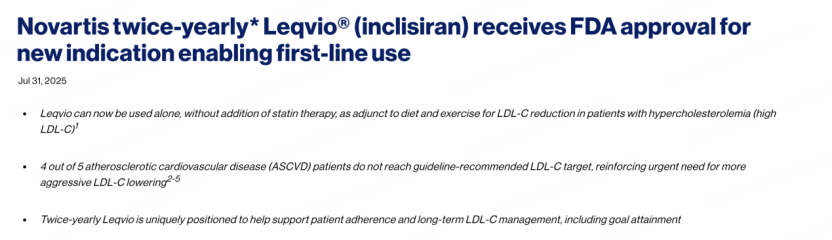
China alone has approximately 330 million cardiovascular disease patients, accounting for 4.58 million deaths annually. Despite decades of progress, daily statin therapy has remained the cornerstone of lipid management.
Inclisiran, a small interfering RNA (siRNA) therapy, silences PCSK9 expression, producing potent LDL-C reduction lasting six months. Newly released Phase III data demonstrated lipid-lowering efficacy comparable to statins when used alone, potentially eliminating the need for daily medication and significantly improving treatment adherence.
Although long-term cardiovascular outcome data are still pending and costs remain high, Inclisiran signals a paradigm shift in chronic disease management toward infrequent dosing and long-lasting therapeutic effects.
6. Immunosuppression-Free Islet Transplantation for Type 1 Diabetes
On August 4, 2025, researchers from Uppsala University and collaborating institutions reported in The New England Journal of Medicine the first successful treatment of a long-standing Type 1 diabetes patient using gene-edited allogeneic islet β cells—without immunosuppressive therapy.
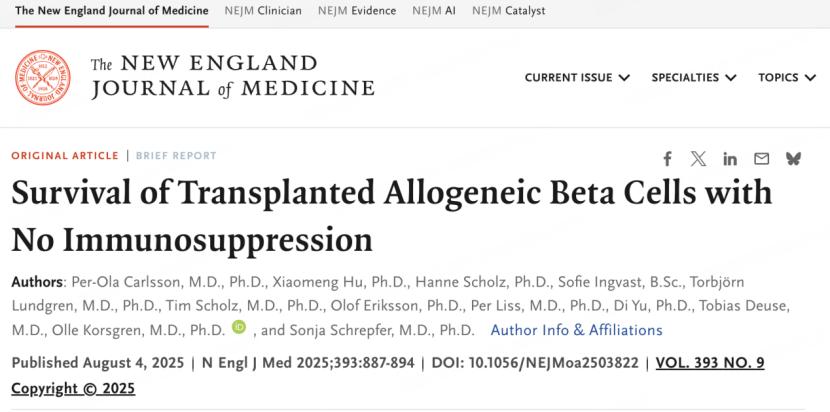
Approximately 9.2 million people worldwide live with Type 1 diabetes. Traditional islet transplantation requires lifelong immunosuppression, posing significant risks.
The novel therapy UP421 involved knocking out immune rejection-related genes and enhancing immune-evasion pathways. At 12 weeks post-transplantation, the gene-edited islets continued to secrete insulin without immunosuppressants, with efficacy maintained for six months.
Experts hailed this achievement as a long-sought milestone in transplantation tolerance. Clinical trials are ongoing, with the aim of achieving durable glucose control without lifelong medication.
7. World’s First Fully Biodegradable Atrial Septal Defect Occluder
On October 23, JAMA published research from Yunnan Fuwai Cardiovascular Hospital describing the world’s first fully biodegradable atrial septal defect (ASD) occluder developed by a Chinese team.

ASD is one of the most common congenital heart defects. While metal occluders have been widely used, they remain permanently in the body and may cause long-term complications.
The new biodegradable occluder fully degrades within two years and promotes endogenous tissue regeneration. Chinese researchers also pioneered radiation-free interventional techniques to achieve precise implantation despite the device’s radiolucency.
This marked the first publication in JAMA’s 150-year history featuring a Chinese-developed original medical device. International reviewers called it “the most significant breakthrough in this field since the Amplatzer occluder nearly 30 years ago.”
8. CAR-NK Cell Therapy for Systemic Lupus Erythematosus
On November 13, 2025, The Lancet published results from Shanghai Changhai Hospital, reporting the first systematic use of CAR-NK cell therapy to treat refractory systemic lupus erythematosus (SLE).
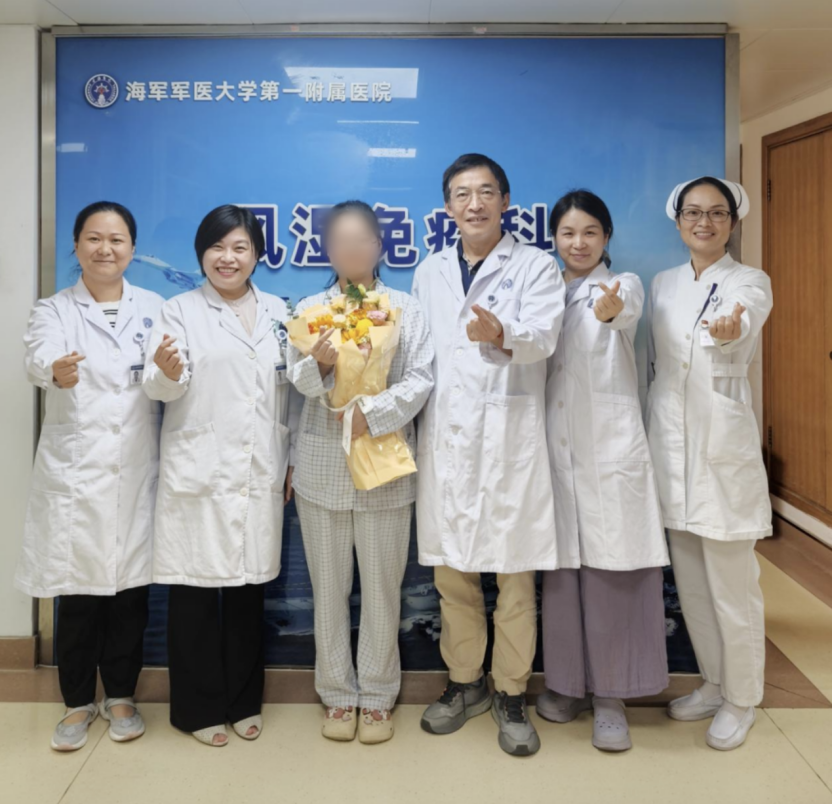
CAR-NK therapy demonstrated effective eradication of pathogenic plasma cells with improved safety and reduced cost compared with CAR-T therapy. Six months post-treatment, all patients achieved disease control, with many entering complete remission.
An accompanying Lancet commentary described the study as a major step toward translating cell therapy into autoimmune disease treatment.
9. Chinese Research Team Deciphers the "Surgical Knot‑Tying" Challenge
On November 27, 2025, Nature published research led by Academician Wei Yang and Academician Xiujun Cai, introducing “Sliputure”—an intelligent slip-knot suture that ensures optimal tension during surgical closure.
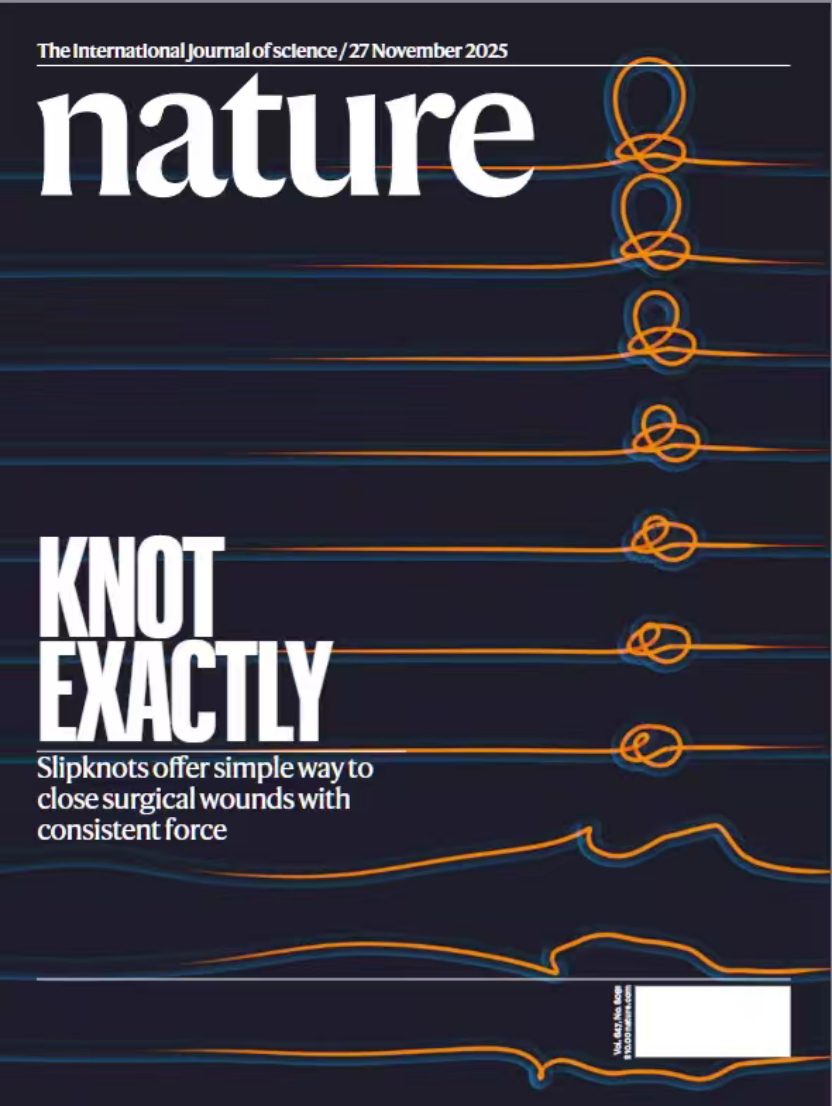
This elegant mechanical solution enables precise force control without electronic sensors, improving suturing accuracy by 121% among junior surgeons and rivalling expert performance.
10. Herpes Vaccine Provides Comprehensive Protection
On December 11, 2025, Cell published findings showing that herpes zoster vaccination significantly reduced risks of mild cognitive impairment, dementia progression, and mortality. Additional studies in Nature, JAMA, and Nature Medicine corroborated these benefits.

Large-scale analyses also demonstrated a 23% reduction in cardiovascular disease risk following vaccination, with protection lasting up to eight years.
With aging populations worldwide, these findings point toward a new preventive paradigm linking infection, immunity, and chronic disease prevention.

