


Against the backdrop of global population aging, neuropsychiatric illnesses have evolved into one of the most formidable public health crises of the 21st century, imposing substantial socioeconomic burdens worldwide. The unclear pathogenesis of most neuropsychiatric disorders and shortage of viable therapeutic targets have driven persistent scientific efforts to decode their genetic basis for improved treatment options. Traditional genome-wide association studies (GWAS), however, mostly rely on genotyping chip datasets, which predominantly identify common genetic variants characterized by modest effect sizes, limited genomic coverage and predominant localization within non-coding genomic regions, hindering the identification of causal variants and mechanistic exploration of disease pathogenesis.
An international research consortium led by Professor Yutai Yu from Huashan Hospital, Fudan University, conducted whole-exome sequencing (WES) analysis covering over 350,000 participants from the UK Biobank cohort. For the first time, the team systematically delineated how protein-coding variants impact 25 neurological disorders, 21 psychiatric illnesses, 11 cognitive function metrics and 12 mental health phenotypes. The research findings, published in Nature Human Behaviour, were presented at the 2025 Alzheimer’s Association International Conference (AAIC). Beyond identifying novel risk genes linked to neuropsychiatric conditions, the study systematically illustrates the pleiotropic effects of these genes on neuropsychiatric phenotypes, maps intricate genetic interconnections across different diseases, and integrates multi-omics data to unpack the potential pathogenic mechanisms of pinpointed genetic variants.
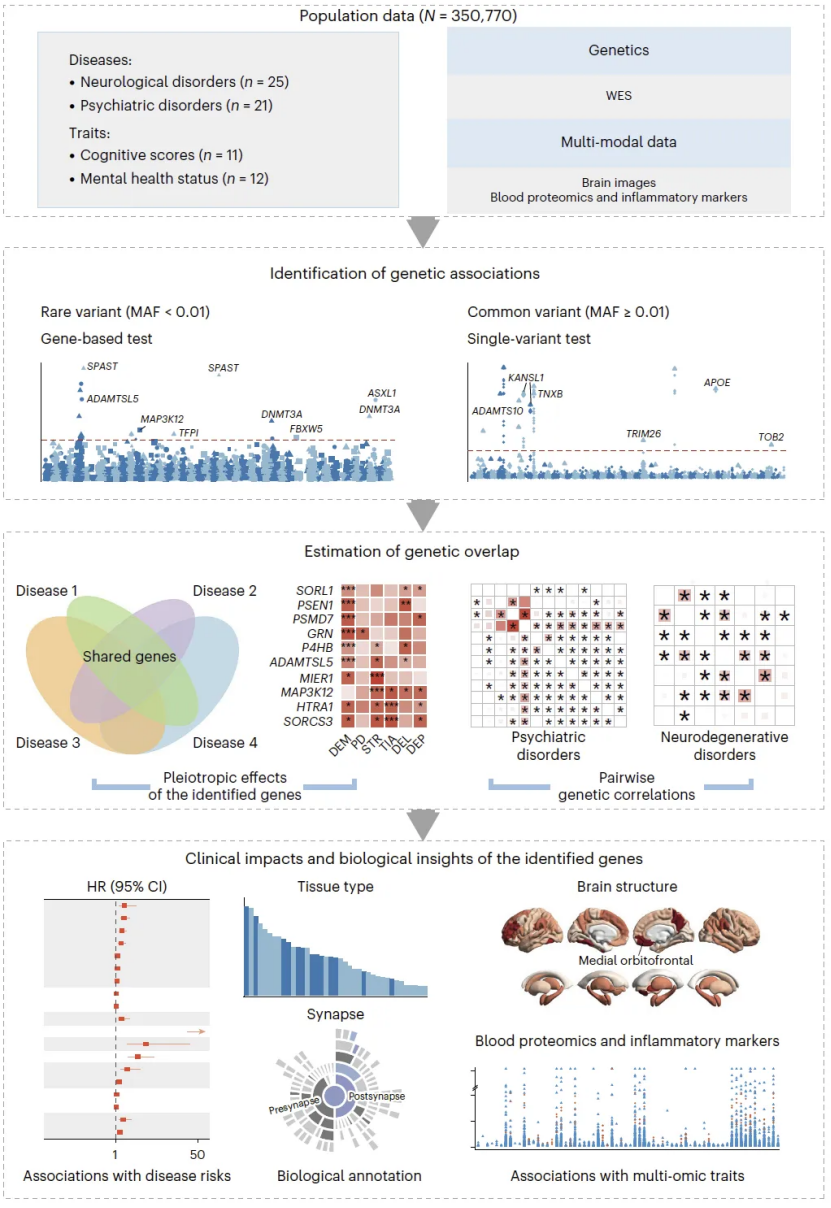
Figure 1. Study design and summary
Genetic Variant Analysis Identifies Novel Risk Genes and Pleiotropic Features of Neuropsychiatric Conditions
The research team performed gene-burden analysis for rare variants across three functional variant subgroups: loss-of-function (LoF) variants, damaging missense variants, and combined LoF plus missense variants, alongside five grouping criteria based on varying minor allele frequency (MAF) thresholds using WES data from 350,770 middle-aged and elderly UK volunteers. Following rigorous quality control and multiple testing correction, 20 previously unreported genes were found to have statistically significant correlations with neuropsychiatric diseases. For all-cause dementia specifically, seven disease-relevant genes were validated, four of which – ADAMTSL5, P4HB, PSMD7 and LMTK3 – represent new discoveries. Notably, variant groups with lower MAF contained fewer statistically significant associations yet exhibited larger genetic effect sizes. The researchers further implemented single-variant association analysis via linear mixed models for common exonic variants; after linkage disequilibrium clumping, another 29 independent novel risk loci were confirmed.
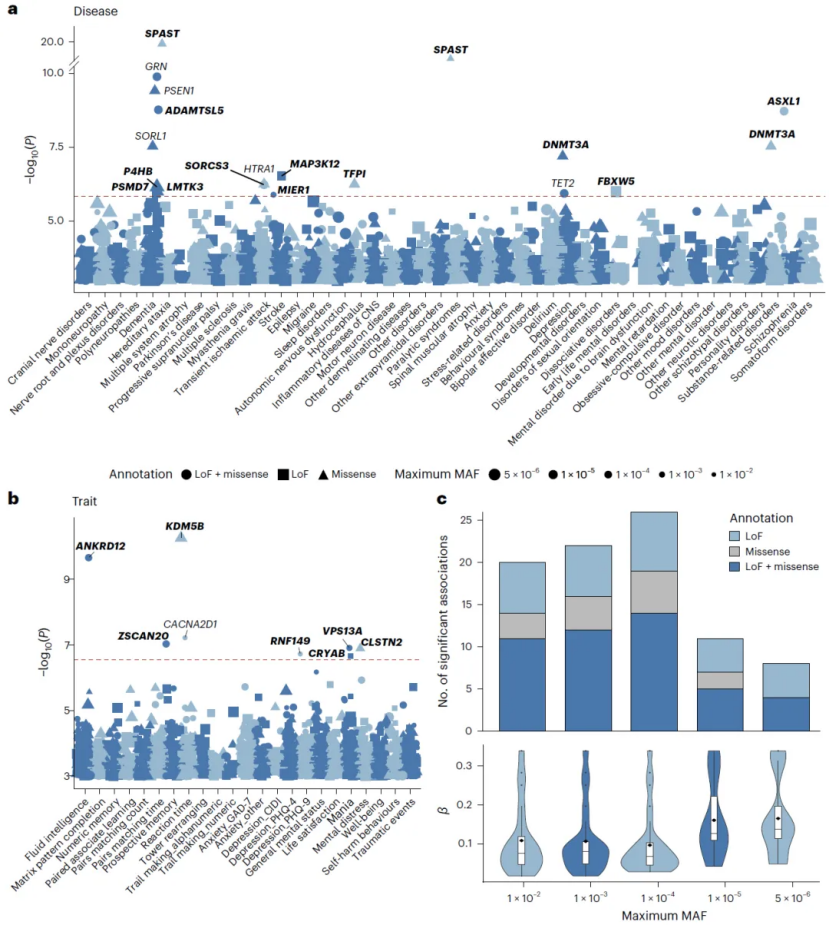
Figure 2. Results of rare-variant gene burden analysis for neuropsychiatric diseases and related traits
Cross-comparison of 69 disease- and trait-related genes and variants uncovered extensive gene pleiotropy. For instance, variants in KANSL1, previously linked to prolonged reaction time, were replicated in this study and additionally associated with Parkinson’s disease and progressive supranuclear palsy. Multiple genes were also found to simultaneously regulate diverse cognitive domains and mental health indicators: mutations in SYNGAP1 and OR12D3 affect multiple cognitive functions, while variants in STAG1 and ANAPC4 correlate with fluid intelligence and PHQ-4 mental health scores.
Mapping Genetic Links Across Neuropsychiatric Disorders: Extensive Genetic Overlap Revealed via Rare Variant Profiling
Another core achievement of the research lies in unravelling complicated genetic correlations between distinct neuropsychiatric diseases. Using burden heritability regression (BHR) on whole-exome sequencing data to calculate pairwise genetic correlation coefficients, the team constructed a comprehensive genetic correlation atlas of neuropsychiatric diseases.
In line with observed gene pleiotropy, follow-up correlation testing detected 176 statistically significant genetic overlaps at the rare variant level. Quantified results showed a genetic correlation of 0.32 (P=0.002) between dementia and Parkinson’s disease, whereas the genetic correlation between dementia and stroke climbed to 0.74 (P=1.15×10⁻⁸).
Hierarchical clustering based on genetic relatedness sorted all analyzed diseases into five clusters. One prominent cluster consisting mainly of psychiatric ailments (depression, anxiety, schizophrenia, bipolar disorder, personality disorders and stress-related conditions) contained 76 significant pairwise genetic correlations out of 312 tested pairs, with an average genetic correlation coefficient of 0.11; meanwhile, neurodegenerative diseases including dementia, Parkinson’s disease and multiple system atrophy formed another tightly clustered group.
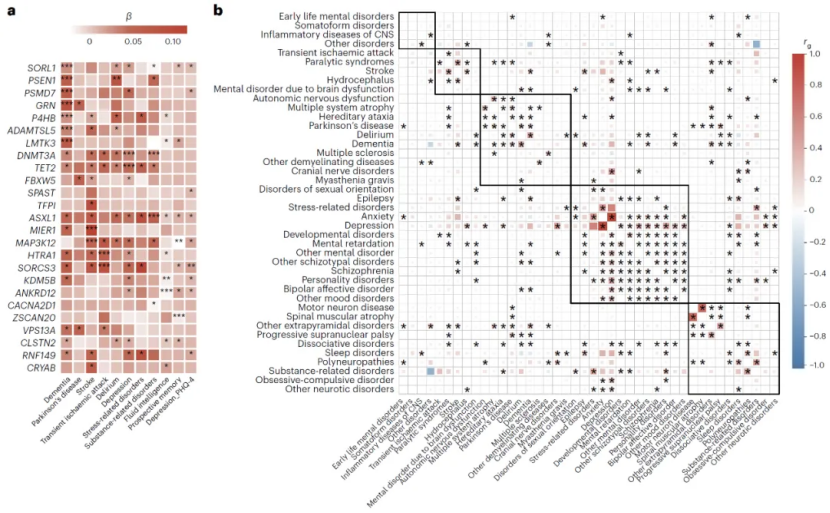
Figure 3. Genetic overlaps of neuropsychiatric diseases and traits
Clinical Significance of Identified Genes: Functional Annotation and Cumulative Disease Risk Assessment
To translate genetic discoveries into clinical insights, the research team cross-referenced candidate genes against the ClinVar and OMIM databases. Six genes (SPAST, PSEN1, GRN, KDM5B, APOE, SYNGAP1) already archived in ClinVar showed consistent phenotypic correlations matching the study’s outcomes, with functional annotations consistent with ExWAS-derived functional predictions. Unexpectedly, rare mutations in SYNGAP1, historically labelled benign variants causing intellectual disability in ClinVar, were tied to superior cognitive performance in this large-population analysis, highlighting the value of big-cohort genetic screening for refining pathogenic variant annotation.
Longitudinal Cox proportional hazards regression was subsequently deployed to quantify cumulative disease risks conferred by identified rare variants. Among 19 prioritized genes from rare variant screening, 14 demonstrated meaningful disease associations (FDR<0.05). Carriers of rare LMTK3 mutations faced a 5.89-fold higher dementia risk compared with the general population (HR=5.89, 95%CI:2.65–13.12, P=1.41×10⁻⁵).
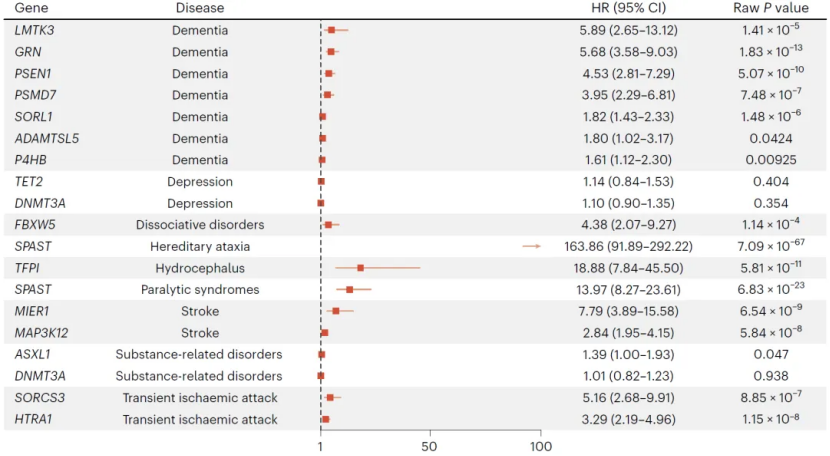
Figure 4. Cox proportional hazards regression results of identified rare-variant genes
Other high-risk dementia genes included GRN (HR=5.68), PSEN1 (HR=4.53), PSMD7 (HR=3.95), SORL1 (HR=1.82) and ADAMTSL5 (HR=1.80). Several genes also conferred drastically elevated risks for other neurological illnesses: SPAST mutations raised the risk of hereditary ataxia by over 160 times, while MIER1 and MAP3K12 variants multiplied stroke risk by 7.79-fold and 2.84-fold respectively.
From Genotype to Phenotype: Multi-Omics Elucidates Underlying Disease Mechanisms
Multi-omics datasets incorporating brain imaging, blood proteomics and inflammatory biomarkers were integrated to clarify how pinpointed gene variants drive disease development.
Brain structural analysis identified 1,678 rare and common genetic variants significantly associated with specific brain regions (FDR<0.05), among which 29 risk genes were consistently linked to structural alterations in the right medial orbitofrontal cortex. Blood proteome screening yielded more than 7,000 statistically significant molecular correlations. The most robust association was detected between the SH2B1 genotype and circulating APOBR protein concentration (β=-0.45, FDR<1×10⁻³⁰⁹). In addition, TNXB, a protective gene against multiple sclerosis, correlated with reduced levels of inflammatory marker KIR2DL3 (β=-0.16, P=4.41×10⁻¹¹⁶).
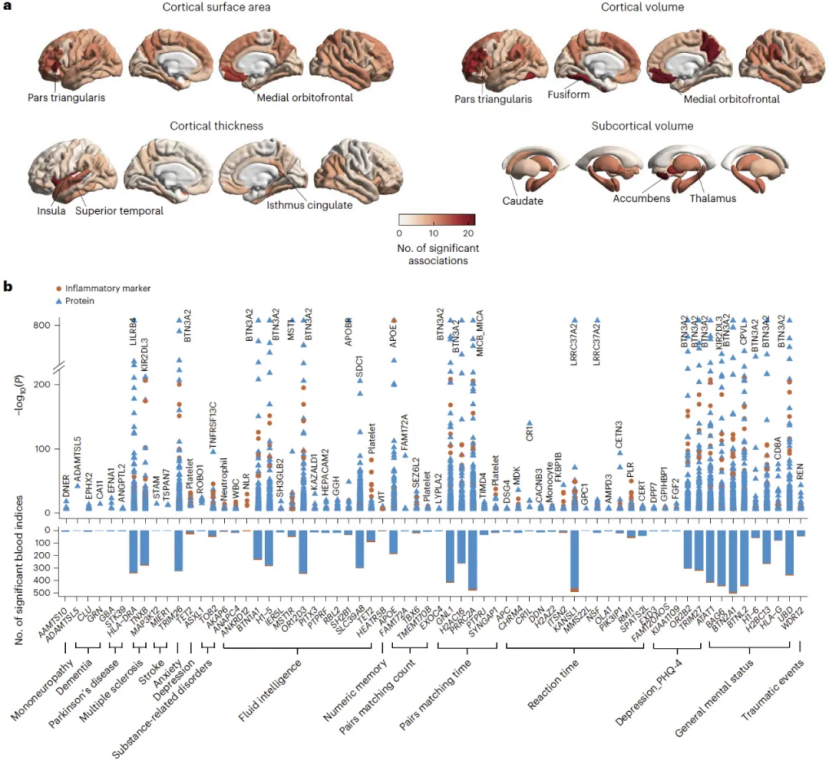
Figure 5. Multi-omics analysis reveals associations between identified genetic variants, brain structure, plasma proteome and validated biomarkers
Limitations and Future Perspectives: Genomics Paves the Way for Precision Medicine
Despite groundbreaking findings, the research acknowledges key limitations. First, UK Biobank participants have a mean age of 56.94 years, potentially underestimating genetic contributions to early-onset psychiatric disorders. Second, all study subjects are of European ancestry, requiring further validation across non-Ethnic cohorts.
Professor Yu outlined ongoing follow-up research plans: the research group is building cellular and animal models to verify gene functionality and replicating these genetic findings in Asian population cohorts.
The research carries promising clinical transformation potential. Global research teams have already initiated mechanistic investigations into pleiotropic genes such as SYNGAP1 linked to cognitive traits. Accelerating advances in gene therapy may enable personalized prevention and treatment regimens for neuropsychiatric diseases tailored to individual genomic profiles in the near future, marking this large-scale genetic research a pivotal milestone toward precision neurological healthcare.

